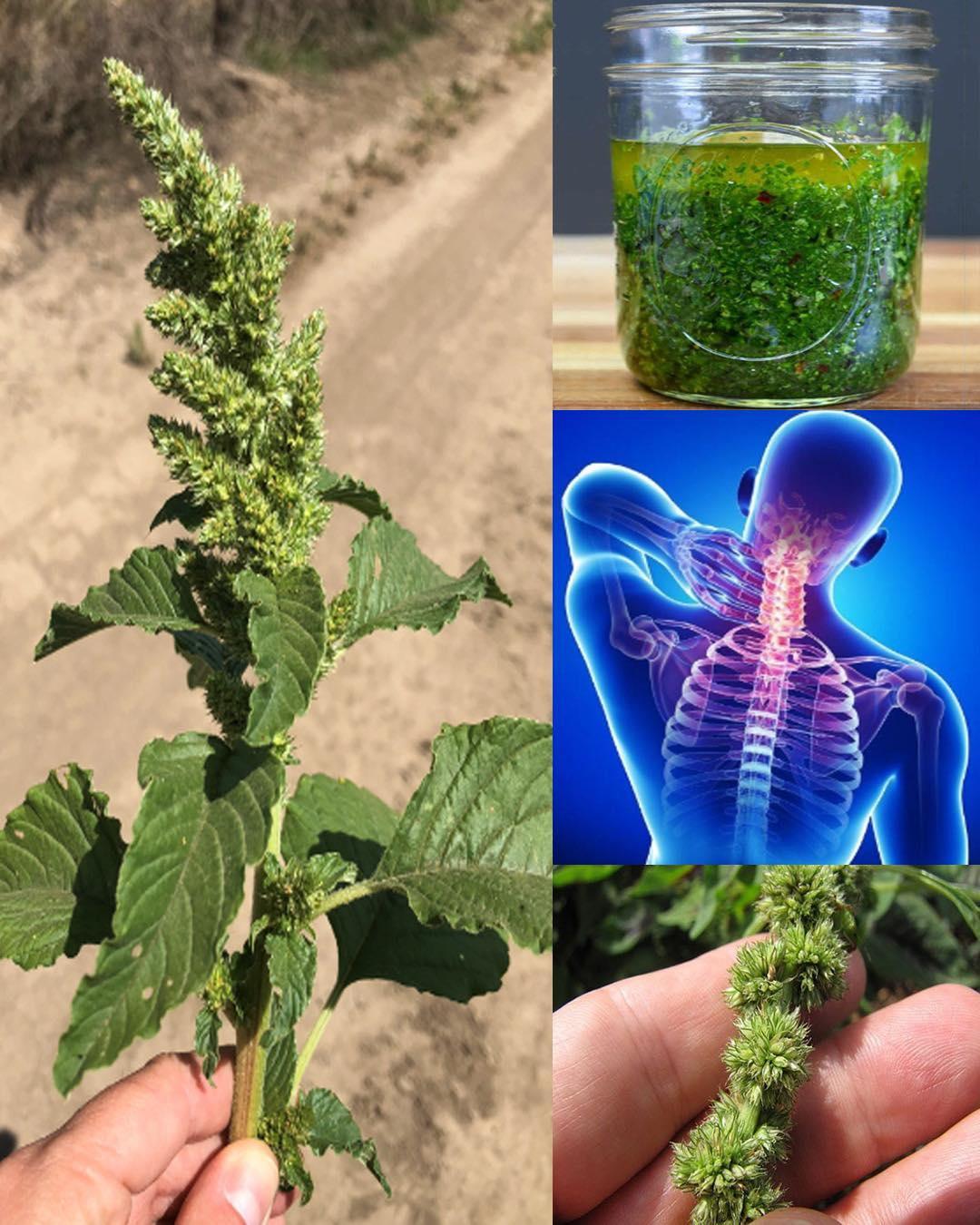
Amaranth is often considered a weed, but in reality it is an extremely nutritious and resilient plant. The plant has been cultivated in South America and Asia for thousands of years and is loved for its protein-rich seeds and vitamin-rich leaves. Discover 10 benefits of amaranth that make it a nutritional and environmental jewel!
-
A concentrate of essential nutrients

Amaranth leaves and seeds are rich in:
- Vitamins A, C and K: important for the skin, immunity and blood clotting.
- Minerals (calcium, magnesium, iron, potassium): important for bone, muscle and heart health.
How do you use it?
Add amaranth seeds to your soups, salads, or porridge and eat the leaves like spinach.
-
An excellent source of vegetable protein
Amaranth contains all 9 essential amino acids, making it a complete protein. A valuable asset for:
- Vegetarians and vegans
- Athletes looking for an alternative to animal protein
- Maintaining good muscle mass
Cooking tip: Use amaranth seeds in your dishes or use amaranth flour to enrich your baked goods.
-
An ally for people with gluten intolerance
Amaranth is naturally gluten-free, making it ideal for people with:
- Coeliac disease
- Gluten sensitivity
- Indigestion associated with gluten
Replace wheat flour with amaranth flour for gluten-free recipes.
-
A powerful antioxidant to protect the body

Rich in flavonoids and phenolic acids, amaranth fights oxidative stress, which is responsible for cellular aging and certain chronic diseases.
Use amaranth leaves as an infusion or smoothie for a natural antioxidant effect.
-
Improved digestion thanks to fiber
Thanks to its high fiber content, amaranth promotes:
- Regular intestinal transit
- Prevention of constipation
- A balanced intestinal flora
Wellness tip: Add amaranth seeds to your meals to aid digestion.
-
Natural support for cardiovascular health

Amaranth seeds contain phytosterols and fiber that help:
- Lower the level of bad cholesterol (LDL)
- Improve blood circulation
- Reduce the risk of heart disease
Add amaranth seeds to your diet to protect your heart naturally.
-
A natural anti-inflammatory for pain relief
Thanks to its bioactive compounds, amaranth helps reduce chronic inflammation, which is beneficial for:
- Arthritis
- Myalgia
- Inflammatory diseases
Drink amaranth leaf tea for a natural, calming effect.
-
A booster for the immune system
Rich in vitamin C, zinc and iron, amaranth strengthens the natural defenses and prevents infections.
Add amaranth leaves to your soups for a restorative broth in winter.
-
An enrichment for strong bones

Rich in calcium and magnesium, amaranth:
- Strengthens bone density
- Helps prevent osteoporosis
- Supports the growth of children and adolescents
Nutrition tip: Add amaranth seeds to your breakfast to ensure optimal mineral intake.
-
An ecological and sustainable plant
Amaranth is a very resilient plant that grows well in barren soils and during periods of drought. It represents a valuable solution for:
- Combating hunger in arid areas
- Reduce the consumption of grains that require a lot of water
- Offering a sustainable alternative to intensive agriculture
Grow your own amaranth in a vegetable garden or planter and enjoy its benefits at home.
Conclusion: Why should you include amaranth in your diet?
Amaranth is versatile and rich in benefits, making it an ideal superfood for health and the environment.
- Exceptional source of protein and nutrients
- Friend of the heart, bones and immune system
- Easy to integrate into daily recipes
- Ecological and sustainable alternative
Don’t wait any longer, discover the benefits of amaranth and add it to your diet!


0 Comments:
Enregistrer un commentaire