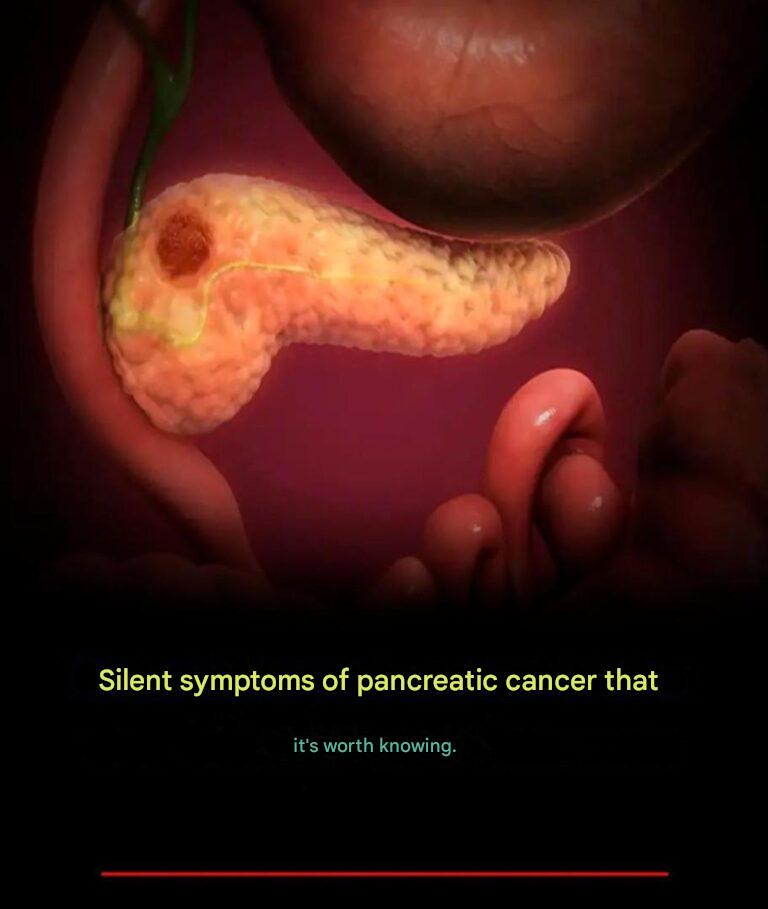
Silent Pancreatic Cancer Symptoms You Should Know
Pancreatic cancer is often called a “silent killer” because its symptoms can be subtle, vague, or easily mistaken for common digestive problems. By the time clear warning signs appear, the disease is often already advanced. Understanding these early, quiet signals can help people seek medical attention sooner, which may improve outcomes.
Below are the silent pancreatic cancer symptoms you should never ignore.
Why Pancreatic Cancer Is Hard to Detect
The pancreas is located deep inside the abdomen, behind the stomach. Because of this, tumors can grow without causing noticeable pain or visible changes. Early symptoms often resemble everyday issues such as indigestion, fatigue, or stress-related discomfort, making them easy to overlook.
Silent Symptoms of Pancreatic Cancer
1. Unexplained Weight Loss
Sudden or unexplained weight loss—without changes in diet or exercise—can be an early sign. Pancreatic cancer may interfere with digestion and nutrient absorption, causing weight loss even when appetite seems normal.
2. Persistent Digestive Problems
Ongoing issues such as:
- Bloating
- Gas
- Indigestion
- Nausea
- Diarrhea
may occur when the pancreas cannot produce enough digestive enzymes. These symptoms are often mistaken for acid reflux or irritable bowel syndrome.
3. Changes in Stool
Pale, greasy, floating, or foul-smelling stools can indicate poor fat digestion. This happens when pancreatic enzymes are blocked or reduced by a tumor.
4. Mild or Dull Abdominal Pain
Early pain may feel like a dull ache in the upper abdomen or back rather than sharp pain. It may come and go and worsen after eating or when lying down.
5. Fatigue and Weakness
Unusual tiredness that doesn’t improve with rest can be an early warning sign. Cancer-related fatigue is often persistent and may occur even before other symptoms appear.
6. New-Onset Diabetes
Sudden development of diabetes—especially in adults over 50 with no family history—can be an early indicator of pancreatic cancer. The pancreas plays a key role in insulin production, and tumors can disrupt this function.
7. Loss of Appetite or Early Fullness
Feeling full quickly or losing interest in food can occur due to digestive disruption or pressure from a growing tumor.
8. Subtle Jaundice
In early stages, jaundice may appear as:
- Slight yellowing of the eyes
- Dark urine
- Itchy skin
These changes can happen before obvious yellowing of the skin becomes noticeable.
When to See a Doctor
While these symptoms do not automatically mean pancreatic cancer, persistent or unexplained changes should always be evaluated by a healthcare professional—especially if multiple symptoms appear together or worsen over time.
Early detection can make a critical difference.
Final Thoughts
Pancreatic cancer often whispers before it screams. Listening to your body and paying attention to subtle, ongoing changes could save a life—possibly your own or someone you love.
If something doesn’t feel right, don’t ignore it. Trust your instincts and seek medical advice.
Disclaimer:
This article is for informational purposes only and does not replace professional medical advice. Always consult a qualified healthcare provider for diagnosis or treatment.


0 Comments:
Enregistrer un commentaire