
What Is The Normal Blood Pressure For Each Age
ADVERTISEMENT
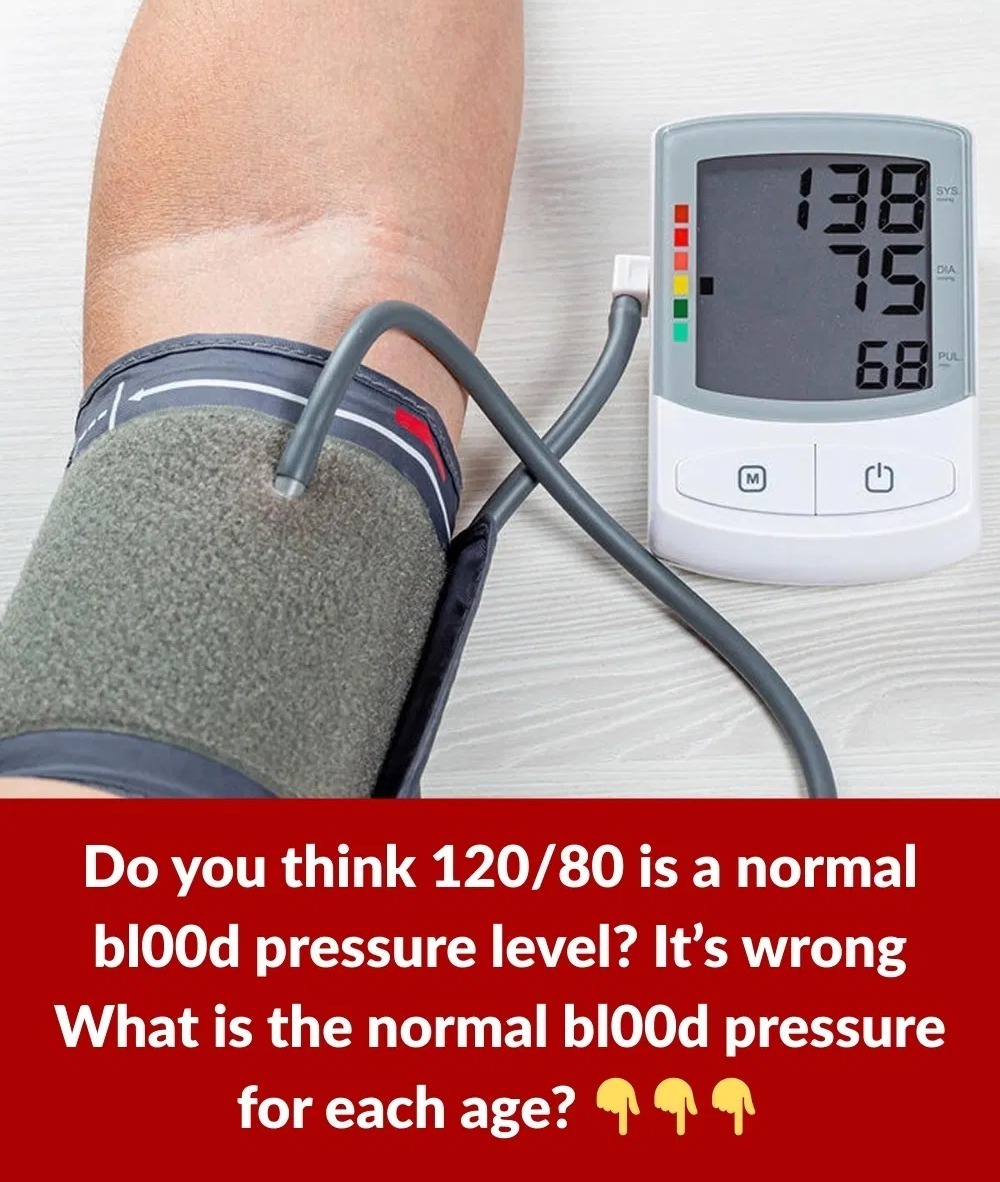
What Is the Normal Blood Pressure for Each Age?
Blood pressure is one of the most important indicators of heart and overall health. It measures how strongly blood pushes against the walls of your arteries as your heart pumps. While blood pressure targets are generally similar for adults, age can influence what is considered normal or healthy.
Understanding normal blood pressure ranges by age can help you recognize potential health risks early and take steps to protect your heart.
What Do Blood Pressure Numbers Mean?
Blood pressure is recorded using two numbers:
- Systolic pressure (top number): Pressure when the heart beats
- Diastolic pressure (bottom number): Pressure when the heart rests between beats
Example: 120/80 mmHg
Normal Blood Pressure by Age Group
Children (1–12 years)
Blood pressure varies based on height, age, and gender.
- Normal: Below 110/70 mmHg
- Pediatric blood pressure should always be evaluated by a healthcare provider.
Teenagers (13–18 years)
- Normal: Below 120/80 mmHg
- Elevated readings may be linked to obesity, stress, or family history.
Adults (19–39 years)
- Normal: 90/60 to 120/80 mmHg
- Healthy lifestyle habits play a major role at this age.
Adults (40–59 years)
- Normal: Below 130/80 mmHg
- Risk of hypertension increases due to lifestyle and metabolic changes.
Older Adults (60 years and above)
- Normal: Below 130/80 mmHg (some doctors accept up to 140/90 depending on overall health)
- Blood pressure goals may be adjusted to avoid dizziness or falls.
Blood Pressure Categories (Adults)
| Category | Systolic | Diastolic |
|---|---|---|
| Normal | <120 | <80 |
| Elevated | 120–129 | <80 |
| High BP Stage 1 | 130–139 | 80–89 |
| High BP Stage 2 | ≥140 | ≥90 |
| Hypertensive Crisis | ≥180 | ≥120 |
Why Blood Pressure Changes With Age
As we grow older:
- Arteries may stiffen
- Hormonal changes affect circulation
- Physical activity may decrease
These factors can cause blood pressure to rise, making regular monitoring essential.
How to Maintain Healthy Blood Pressure
- Eat a balanced, low-salt diet
- Exercise at least 30 minutes most days
- Manage stress
- Avoid smoking and limit alcohol
- Maintain a healthy weight
- Monitor blood pressure regularly
When to See a Doctor
Consult a healthcare professional if:
- Your readings are consistently high
- You experience dizziness, headaches, or chest pain
- You have diabetes, heart disease, or kidney issues
Early detection can prevent serious complications such as heart attack or stroke.
Final Thoughts
While blood pressure guidelines are similar for most adults, individual health conditions and age matter. Knowing your numbers—and what’s normal for your age—empowers you to take control of your health.
Regular checkups and healthy lifestyle choices remain the best way to maintain optimal blood pressure at any stage of life.
Disclaimer
This article is for informational purposes only and does not replace professional medical advice. Always consult a qualified healthcare provider for diagnosis or treatment.
ADVERTISEMENT


ADVERTISEMENT
Comment