
What is that strange toothed part on kitchen scissors for?
ADVERTISEMENT
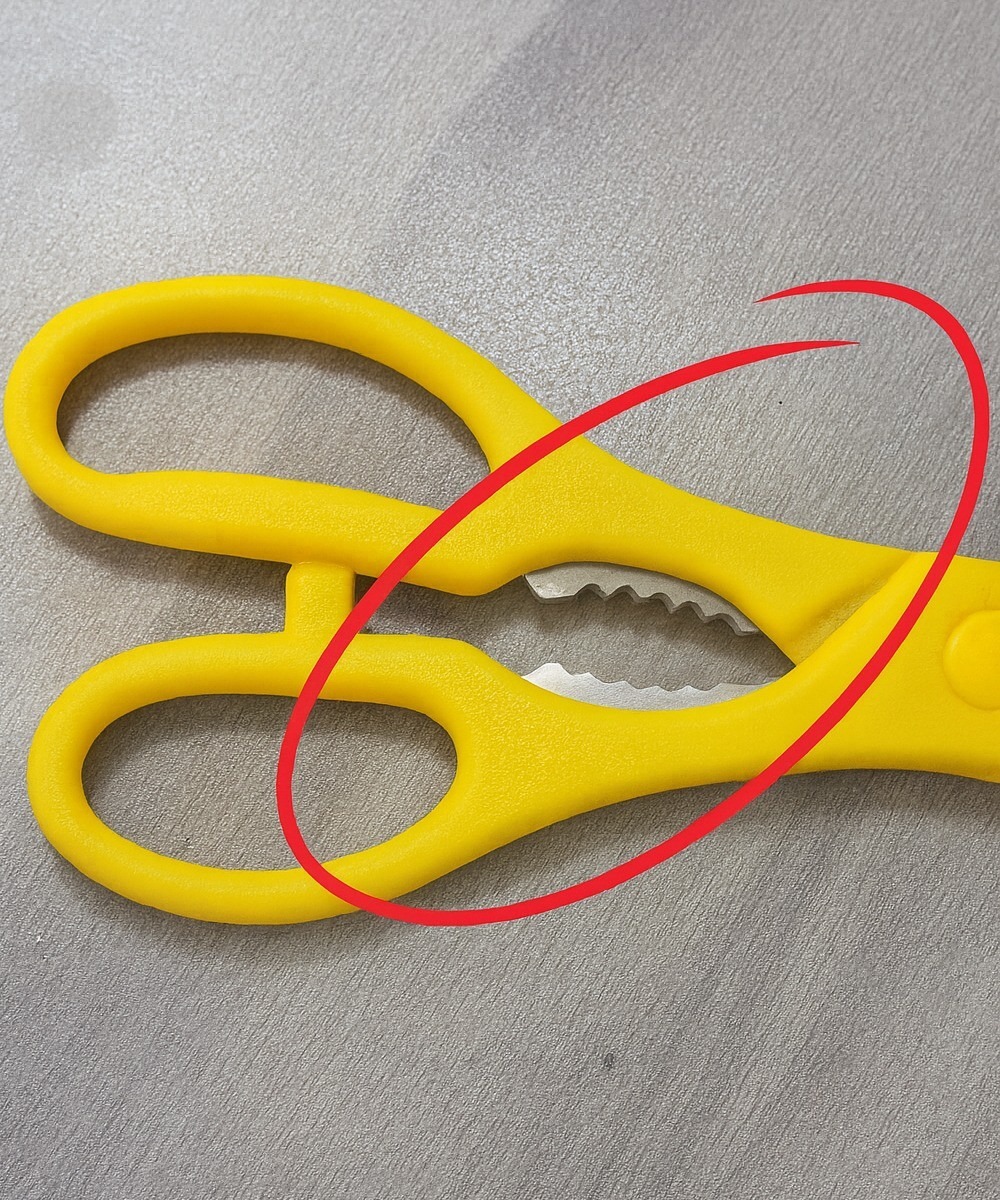
What Is That Strange Toothed Part on Kitchen Scissors For?
If you’ve ever looked at your kitchen scissors closely, you might have noticed a small, toothed section near the pivot or on one of the blades. At first glance, it looks mysterious—almost like it belongs on a completely different tool. Many people wonder: “What on earth is this for?”
Believe it or not, that little toothed part is one of the most useful features of your kitchen scissors—and once you know how to use it, it can make cooking tasks much easier.
The Purpose of the Toothed Section
That jagged, serrated part of your scissors serves several functions:
- Grip and Cut Tough Materials
- It’s perfect for grabbing and slicing slippery or tough foods, like meat, chicken bones, or herbs, without the blades slipping.
- Crush and Open Items
- Some scissors use this toothed part as a built-in bottle opener or nutcracker. Simply place the bottle cap or shell in the toothed section and squeeze.
- Cut Bones or Cardboard
- In many kitchen scissors, the serrated section allows you to cut through small bones, thick poultry joints, or cardboard packaging safely.
Essentially, this small, hidden feature turns your scissors into a multi-functional kitchen tool, saving you the hassle of reaching for extra gadgets.
How to Use the Toothed Part Correctly
1. Cutting Meat or Poultry
- Position the meat or bone in the toothed section.
- Squeeze firmly while keeping your fingers clear.
- The serration prevents slipping, giving you a cleaner cut.
2. Opening Bottles or Nuts
- Insert the bottle cap or nut into the toothed groove.
- Squeeze gently but firmly.
- Enjoy your mini built-in opener or nutcracker.
3. Cutting Other Tough Items
- Use for cardboard, thick plastic packaging, or tough vegetable stems.
- The teeth help grip while cutting, reducing the risk of slippage.
Extra Tips for Kitchen Scissors
- Keep them clean: Wash scissors thoroughly after cutting meat or poultry.
- Sharpen blades if needed: Even with serrated parts, sharp blades make cutting easier.
- Don’t use on very hard bones: The toothed section is helpful, but extremely hard bones can damage the scissors.
- Use for herbs and vegetables: The serrated teeth make snipping herbs easier and more controlled.
Why This Feature Is a Hidden Gem
Many people overlook the toothed section, sticking to regular cutting with the smooth blades. But once you start using it, you’ll notice:
- Better grip on tricky foods
- Less slipping and more precise cuts
- Extra functions without needing separate tools
It’s a small detail that makes kitchen scissors incredibly versatile—a real “hidden feature” in your everyday cooking routine.
Final Thoughts
That strange, toothed part on your kitchen scissors isn’t just decorative—it’s a practical multi-tasking tool. From gripping slippery meat to cracking nuts or opening bottles, it turns your scissors into a mini Swiss army knife for the kitchen.
Next time you reach for your scissors, take a closer look. That little serrated section might just save you time, effort, and frustration.
ADVERTISEMENT


ADVERTISEMENT
Comment