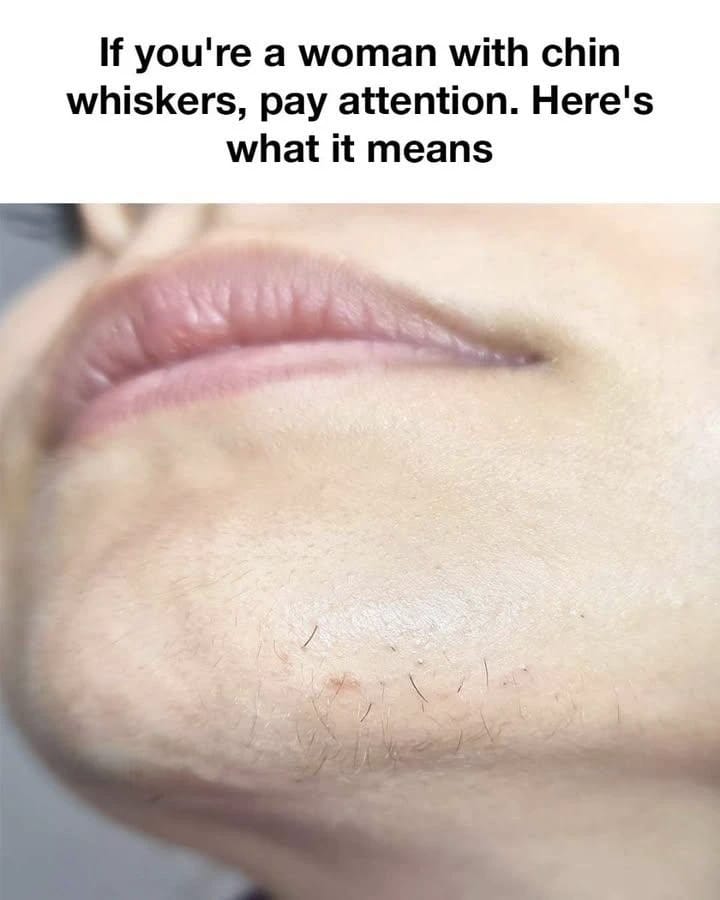
Why Women Get Chin Hair — The Real Reasons No One Talks About
Chin whiskers in women are far more common than many people realize. These facial hairs can vary widely in texture and color—from fine, light strands to thicker, darker hairs. Some women may notice just a few stray hairs, while others may experience more noticeable growth. Understanding why these hairs appear is an important step toward managing them with confidence and without shame. It’s essential to remember that for many women, chin hair is a completely normal part of life, influenced by hormonal activity, family traits, and certain medical conditions.
The Science Behind Chin Hair Growth
All hair on the body grows according to the same cycle, which includes three phases:
- Anagen: the active growth phase
- Catagen: a brief transitional stage
- Telogen: the resting period before shedding
Hormones, particularly androgens, play a significant role in stimulating hair growth. Women naturally produce androgens in small amounts, but when the body becomes more sensitive to them—or when their levels shift—facial hair may become more noticeable. Genetics also influence the density and distribution of hair follicles, which explains why some women experience more visible chin hair than others.
Hormones, Genetics, Social Impact & Management Options
Hormonal Factors Contributing to Chin Whiskers
Hormonal changes are one of the most common influences on facial hair. Conditions such as polycystic ovary syndrome (PCOS) can raise androgen levels, sometimes resulting in hirsutism, or excessive hair growth. Menopause is another stage where women may notice increased chin hair as estrogen levels decline. Medications that affect hormone balance—including some birth control pills—can also play a role.
Genetic Predisposition and Family Background
Genetics strongly influence how much facial hair a woman may develop. If facial hair runs in your family, you may be more likely to experience it. Ethnicity also matters: women of Middle Eastern, Mediterranean, or South Asian descent often have naturally thicker or darker facial hair due to inherited traits.
Medical Conditions Connected to Facial Hair Changes
Some health conditions—including PCOS, adrenal disorders, Cushing’s syndrome, thyroid imbalance, or tumors that affect hormone production—may be associated with increased facial hair. Women who experience sudden or rapid changes should speak with a healthcare provider, who can help determine whether further evaluation is appropriate.
Top 10 Effects of Chin Whiskers on Women’s Well-Being
Why Women Get Chin Hair — The Real Reasons No One Talks About
- Feelings of self-consciousness
- Stress or anxiety about appearance
- Time and money spent on hair removal
- Skin irritation from frequent grooming
- Impact on social interactions
- Negative body image
- Compulsive checking or plucking
- Avoidance of close-up conversations
- Worry about underlying health issues
- Emotional strain, including sadness or low confidence
Psychological and Emotional Impact
Facial hair can strongly affect a woman’s self-esteem and sense of identity. Many feel embarrassed or judged, especially because beauty standards often expect women to have smooth, hair-free skin. This pressure can lead to stress, lowered confidence, or avoidance of social situations. Support, understanding, and open conversation can help counter these feelings.
Social Perceptions and Cultural Pressures
Cultural expectations shape how women perceive their facial hair. In many societies, hairlessness is seen as the “ideal,” which intensifies feelings of insecurity. Media, advertising, and beauty standards often reinforce these expectations. However, discussions around natural beauty and body positivity are slowly shifting attitudes, helping more women feel seen and understood.
Effective Hair Removal Options

A wide range of methods can help manage chin hair:
Temporary Methods:
- Plucking
- Waxing
- Shaving
- Depilatory creams
Longer-Lasting Options:
- Laser hair removal
- Electrolysis
- Prescription creams like eflornithine (slows hair growth)
Choosing the right option depends on skin sensitivity, cost, and personal preference. A dermatologist can guide women with sensitive skin or frequent irritation.
When to See a Healthcare Professional
Women who notice sudden increases in facial hair, or accompanying changes such as irregular cycles, acne, or weight shifts, may benefit from speaking with a healthcare professional. Evaluation may include blood tests or imaging to better understand what’s happening internally.
Lifestyle Habits and Natural Approaches
Some women find benefit in gentle lifestyle adjustments, such as:
- Maintaining a healthy weight (helpful for hormone balance)
- Eating a nutrient-rich diet
- Drinking spearmint tea (which may have mild anti-androgen effects)
- Practicing stress-relief activities such as yoga or meditation
These habits support general health and may help reduce hormone fluctuations for some women.
Conclusion: Managing Chin Whiskers with Confidence
Chin whiskers can be frustrating, but understanding their causes—and the options available for managing them—can make the experience less stressful. Whether you choose to remove the hair or embrace it, the most important thing is feeling comfortable and confident in your own skin. You are not alone, and many other women experience the same thing. Acceptance, self-care, and informed choices can all play a role in helping you feel more at ease and empowered.


0 Comments:
Enregistrer un commentaire