samedi 13 décembre 2025

Sugar Snails

by


Introduction

Sugar Snails are the kind of nostalgic treat that brings back memories of cinnamon-sugar toast, cozy weekend mornings, and warm, buttery aromas drifting through the kitchen. With simple ingredients and a fun, hands-on method, this recipe turns basic sandwich bread into tender, sweet, rolled pastries perfect for breakfast, snacking, or sharing.

Origin and Cultural Significance

While Sugar Snails aren’t tied to a singular historic origin, they draw clear inspiration from American comfort-food traditions—especially cinnamon toast and quick breakfast bakes. For generations, families have made simple sweet treats using pantry staples like bread, cinnamon, butter, and sugar. Sugar Snails embrace that spirit of resourcefulness and homestyle baking, making them a modern twist on a classic childhood favorite.

Ingredients Quantity

  • 1 loaf white sandwich bread, sliced
  • 1 (8 oz) package cream cheese, room temperature
  • 1 egg
  • 3/4 cup granulated sugar, divided
  • 1 1/2 teaspoons cinnamon
  • 1/2 cup butter, melted

Optional Additions

  • A splash of vanilla added to the cream cheese mixture
  • A pinch of nutmeg mixed into the cinnamon sugar
  • Finely chopped pecans or walnuts sprinkled inside before rolling
  • A drizzle of cream cheese glaze after baking
  • Lemon zest added to the cream cheese for a bright twist

Tips for Success

  • Roll the bread thinly to ensure the snails stay tight and bake evenly.
  • Use room-temperature cream cheese for smooth spreading.
  • Coat evenly in butter and cinnamon sugar for maximum flavor and crispiness.
  • Chill briefly before baking if your rolls start unravelling—they’ll hold better in the oven.
  • Don’t overcrowd the baking dish; allow slight space between rolls.

Instructions

  1. Preheat oven to 350°F (175°C) and lightly grease a 9×13-inch baking dish with butter.
  2. Cut crusts off bread slices and discard or save for another use.
  3. Use a rolling pin to flatten each slice of bread.
  4. In a bowl, beat the cream cheese, egg, and 1/4 cup of the sugar until smooth.
  5. Spread a thin, even layer of the cream cheese mixture over each flattened bread slice.
  6. Roll each slice tightly into a log, then cut each log into 3–4 “snails.”
  7. Dip each piece into melted butter.
  8. Mix the remaining sugar with the cinnamon and roll each buttered piece in the mixture.
  9. Arrange the Sugar Snails in the prepared baking dish.
  10. Bake for 18–22 minutes or until golden and slightly crisp.
  11. Let cool slightly before serving.

Description

Sugar Snails bake into soft, slightly crisp spirals with a warm cinnamon aroma and a creamy, sweet interior. Each bite is buttery, lightly crunchy from the cinnamon sugar coating, and comforting in a way that feels both nostalgic and indulgent. They’re small, cute, and easy to pop right into your mouth—perfect for kids and adults alike.

Nutritional Information (Approx. per 2–3 snails)

  • Calories: 180–220
  • Fat: 10–12g
  • Carbohydrates: 20–25g
  • Sugar: 12–16g
  • Protein: 3–4g
    (Values will vary based on bread type and portion size.)

Conclusion

Sugar Snails take humble ingredients and transform them into a warm, comforting treat that’s simple to make yet unforgettable. Their playful shape, sweet aroma, and delightful texture make them a hit for any casual gathering or family breakfast.

Recommendation

Serve these fresh from the oven with a mug of hot coffee, tea, or warm milk. For an extra treat, offer a dipping sauce like vanilla glaze or caramel. They’re also fantastic for holiday mornings or brunch spreads.

Embracing Healthful Indulgence

While Sugar Snails are a sweet indulgence, you can still enjoy them mindfully—share them with family, savor a few pieces, and appreciate the comforting flavors that remind you of simpler times. You can also lighten the recipe with whole-grain bread, reduced-fat cream cheese, or less sugar if desired.

Cheesy Jalapeño Beef Casserole

by


Cheesy Jalapeño Beef Casserole

Introduction

This Cheesy Jalapeño Beef Casserole is the ultimate blend of comfort and heat—rich, creamy, savory, and perfectly spiced. Ground beef forms the heart of the dish, while cream cheese, jalapeños, cheddar, and mozzarella melt together into a luscious, bubbling topping. Whether you need a quick weeknight dinner, a crowd-pleasing potluck meal, or a satisfying comfort dish, this casserole delivers bold flavor with minimal effort.

Origin and Cultural Significance

Casseroles have deep roots in American home cooking, valued for their simplicity, convenience, and ability to feed families affordably. Over time, regional influences added layers of personality—like the Southwestern love for jalapeños and creamy, cheesy bases. This dish borrows those vibrant Southwestern flavors, blending timeless comfort-food technique with spicy, modern flair.

Ingredients Quantity

  • 1 lb ground beef
  • 8 oz cream cheese, softened
  • 1 cup shredded cheddar cheese
  • 1 cup shredded mozzarella cheese
  • 4 oz canned diced jalapeños, drained (or fresh diced jalapeños)
  • 1/2 cup mayonnaise
  • 1 tsp garlic powder
  • 1 tsp onion powder
  • 1/2 tsp paprika
  • Salt and pepper, to taste
  • 1/4 cup chopped green onions (for garnish)

Optional Additions

  • 1/2 cup cooked bacon crumbles for smoky richness
  • 1 cup cooked rice or cauliflower rice to stretch the dish
  • 1/2 cup sautéed bell peppers for extra sweetness
  • 1 can diced tomatoes (drained) for moisture and tang
  • Tortilla chip topping for crunch
  • A dash of chili flakes for added heat

Tips for Success

  • Soften the cream cheese fully for smooth blending.
  • Drain jalapeños well to avoid excess moisture.
  • Season the beef generously—this builds the casserole’s depth of flavor.
  • Bake until bubbly for the perfect texture.
  • Let it rest for 5–10 minutes before serving so it sets slightly.

Instructions

  1. Preheat the oven to 375°F (190°C).
  2. Cook the ground beef in a skillet over medium heat. Break it apart and cook until browned. Season with salt, pepper, garlic powder, onion powder, and paprika. Drain excess grease if needed.
  3. In a large bowl, mix softened cream cheese, mayonnaise, jalapeños, cheddar, and mozzarella until creamy and well combined.
  4. Fold the cooked beef into the cheese mixture and stir until evenly coated.
  5. Transfer to a baking dish (8×8 or similar). Spread into an even layer.
  6. Bake for 20–25 minutes until melted, bubbly, and lightly golden on top.
  7. Garnish with green onions and serve hot.

Description

Spoonfuls of this casserole reveal melty layers of cheese wrapped around tender ground beef, with jalapeños adding pops of heat in every bite. The texture is creamy, hearty, and satisfying—rich enough to feel indulgent but balanced by the brightness of fresh green onions. It’s the perfect combination of comfort and spice.

Nutritional Information (Approx. per serving, 6 servings)

  • Calories: ~420
  • Protein: ~24g
  • Fat: ~34g
  • Carbohydrates: ~5–7g
  • Fiber: ~1g
  • Net Carbs: ~4–6g

(Values vary depending on optional additions and exact ingredients.)

Conclusion

Cheesy Jalapeño Beef Casserole is a warming, crowd-pleasing dish that combines the comforting richness of cheese and beef with the lively kick of jalapeños. It’s simple, versatile, and always satisfying—exactly the kind of recipe you’ll return to again and again.

Recommendation

Serve this casserole alongside a crisp green salad, roasted vegetables, or tortilla chips. It also works beautifully as a keto-friendly main dish or as a dip for gatherings.

Embracing Healthful Indulgence

While rich and decadent, this dish can fit seamlessly into balanced eating. Enjoy it in moderation, pair it with fresh sides, and embrace the joy of homemade comfort food. With mindful additions or swaps—such as reducing mayo, adding veggies, or using lean beef—you can savor every bite while keeping nourishment in mind.

Crescent Reuben Bake

by


Introduction

The Crescent Reuben Bake is a warm, comforting dish that delivers all the beloved flavors of the famous Reuben sandwich—tangy sauerkraut, savory corned beef, creamy dressing, and rich Swiss cheese—but wrapped in a buttery, flaky crescent crust instead of Marble Rye. It’s a crowd-pleasing casserole-style bake that transforms a classic deli favorite into an easy, shareable meal perfect for weeknights, potlucks, or holidays.

Origin

The traditional Reuben sandwich was popularized in the early 20th century in American delis, especially those with Eastern European and Jewish culinary influence. While its exact origin is debated—between Omaha, Nebraska, and New York City—its flavor combination became iconic. The Crescent Reuben Bake is a modern American adaptation that began appearing in community cookbooks and home kitchens as cooks experimented with crescent dough to create easy, family-friendly versions of classic dishes.

Cultural Significance

The Reuben has long held a special place in American comfort food culture. It represents hearty deli fare, combining immigrant culinary traditions with classic American ingredients. Turning it into a crescent bake continues this tradition of innovation, showing how home cooks keep classic flavors alive while making them more convenient and accessible. It’s also a favorite in social gatherings, often bringing nostalgia and familiarity to the table.

Ingredients (with Quantities)

  • 2 cans crescent roll dough
  • 1 lb corned beef (sliced or shredded)
  • 8 slices Swiss cheese
  • 1 ½ cups sauerkraut, drained very well
  • ½ cup Thousand Island dressing
  • 1 egg, beaten (for brushing)
  • 1 teaspoon caraway seeds (optional)

Optional Additions

  • A sprinkle of garlic powder or onion powder for extra savory flavor
  • Extra Swiss or mozzarella cheese for a cheesier bake
  • Chopped pickles or pickle relish mixed into the sauerkraut
  • Hot sauce blended into the Thousand Island dressing for a spicy twist
  • Everything bagel seasoning on top instead of caraway seeds
  • Rye breadcrumbs sprinkled over the top for a classic Reuben touch

Tips for Success

  • Drain the sauerkraut thoroughly: Excess moisture can cause the crust to become soggy. Squeeze it with paper towels if needed.
  • Seal the seams of the crescent dough well to create a sturdy base.
  • Let it rest after baking for 5–10 minutes so the layers set and slice cleanly.
  • Use quality corned beef: Better meat equals better flavor.
  • Don’t skip the egg wash: It gives the top layer a beautiful golden finish.

Instructions

  1. Preheat your oven to 375°F (190°C) and grease a 9×13-inch baking dish.
  2. Unroll one can of crescent dough and press it into the bottom of the dish, sealing any perforations.
  3. Layer half of the Swiss cheese slices over the dough.
  4. Spread the corned beef evenly over the cheese.
  5. Add the sauerkraut in an even layer, making sure it is well drained.
  6. Drizzle or spread the Thousand Island dressing over the sauerkraut.
  7. Place the remaining Swiss cheese slices on top.
  8. Unroll the second can of crescent dough and place it over the filling, sealing all edges and seams.
  9. Brush with beaten egg and sprinkle caraway seeds on top if using.
  10. Bake for 25–30 minutes, or until the crust is golden brown and fully cooked.
  11. Allow the bake to rest before slicing and serving.

Description

This dish emerges from the oven golden, flaky, and irresistibly aromatic. Each slice reveals layers of melty cheese, tender corned beef, tangy sauerkraut, and creamy dressing held together by buttery crescent dough. It’s hearty, savory, warm, and indulgent—everything you love about a classic Reuben, transformed into a comforting casserole-style bake.

Nutritional Information (Approximate per serving; based on 8 servings)

  • Calories: 420–480
  • Protein: 18–22 g
  • Carbohydrates: 28–34 g
  • Fat: 26–30 g
  • Fiber: 2–3 g
  • Sodium: Moderately high due to corned beef and sauerkraut

(Values vary based on brands used.)

Conclusion

The Crescent Reuben Bake is a delicious twist on a beloved classic, offering all the bold flavors of a deli sandwich in an easy, family-friendly casserole. Its layers of savory ingredients and flaky crust make it a standout dish that pleases both Reuben lovers and newcomers.

Recommendation

Serve this bake with a side of crisp dill picklescoleslaw, or a simple green salad to balance the richness. It also reheats beautifully, making it an excellent meal-prep option or next-day lunch.

Embracing Healthful Indulgence

While this recipe leans wonderfully indulgent, you can still enjoy it mindfully. Savor smaller portions, pair it with fresh vegetables, or opt for lower-sodium corned beef and reduced-fat dressing. Remember, balanced eating is about enjoyment and nourishment—so treat yourself with gratitude and good flavor.

Here’s a simple old-fashioned trick for cleaning an oven

by


Here’s a simple old-fashioned trick for cleaning an oven

Let’s be honest: who hasn’t jumped for joy at the thought of cleaning their oven? Between the burnt-on grease, the forgotten splatter, and the suffocating heat, it’s THE corner of the kitchen we avoid looking too closely at. The result: we put it off, we forget… until that fateful day. But what if one simple trick could change everything? A technique passed down from mother to daughter, without scrubbing or harsh chemicals? We promise, it’s easier than you think.
The unexpected ingredient that works wonders.

It’s a grandma’s secret that fits inside… a dishwasher capsule! Yes, the one you put in the dirty dishes compartment. Why does it work? Because these little capsules contain powerful degreasers designed to eliminate even the toughest residue. And when combined with steam, the entire inside of the oven is gently softened. Amazing, right?

Here’s what you need for this homemade steam method:
You just need:

1 dishwashing liquid capsule (gel or solid, it doesn’t matter)
1 gratin dish or ovenproof pot
Tap water
A microfiber cloth or soft sponge
No need for gloves, caustic products or elbow grease: you can already breathe!

Simple steps for a perfect result:
Preheat the oven to 90-95°C (no higher!).
In the meantime, fill the tin with hot water and place in the bag.
When the oven is hot, place the tin on the middle shelf.
Close the door and leave it for 1 hour. Enjoy doing something else while you wait!
After an hour, turn off the oven and let it cool for a few minutes. Be careful of the steam when you open the door.
Just wipe the inside with a damp cloth: the fat will melt away like magic!
That’s why this technique works every time

It’s like a sauna for your oven! The steam reaches every nook and cranny, even the hardest to reach, while the enzymes in the capsule dissolve built-up grease. The result: a clean interior, effortlessly, non-toxic and without hours of scrubbing.

Bonus tip for a consistently clean oven:
Stubborn stains? Repeat the steam cleaning or gently scrub with a soft brush.
Preventative measures: Repeat this little ritual once a month to prevent buildup.
Warning: Always check your oven’s instruction manual before using steam or cleaning products.
In short: Clean, simple, and stress-free.
No need to empty the cleaning aisle to get a sparkling clean oven. With a plate, some water, and a cleaning bag, you can get a clean appliance effortlessly. And honestly, it’s the kind of old-fashioned tip we love to share with friends.

The next time your oven malfunctions, you’ll know exactly what to do: a capsule, a cloud of steam… and a lot less stress.

For the complete cooking steps, please go to the next page or open the button (>) and don’t forget to SHARE with your Facebook friends

Cow math puzzle: Are you smart enough to solve it?

by

Cow math puzzle: Are you smart enough to solve it?

Have you come across the latest math puzzle involving a cow that’s taking social media by storm? Set against a charming cottage backdrop, this tricky brain teaser has everyone buzzing as they try to crack the answer.

Let’s take a closer look and see if we can figure it out together!

Here’s how the puzzle goes:

You buy a cow for $800.
You sell the cow for $1,000, making a profit of $200.
You then buy the cow back for $1,100.
Finally, you sell the cow again for $1,300, earning a profit of $200 from the first transaction and $200 from the second, for a total profit of $400.
The tricky part is keeping track of profits across the transactions!

So, what’s the final answer?
The correct solution to this cow puzzle is $400. Let’s break it down step by step:

You purchase the cow for $800.
You sell it for $1,000.
Profit so far: +$200.
You buy the cow again for $1,100.
Net balance: -$900.
You sell the cow for $1,300.
Final profit = $400.

4 Proteins Kidney Patients Should Choose and 6 They Should Avoid

by


4 Proteins Kidney Patients Should Choose and 6 They Should Avoid

Have you ever stood in front of the fridge, wondering what you can safely eat when your kidneys already feel overworked?
Maybe you’ve heard conflicting advice: eat more protein, no, eat less; avoid this, try that — until everything turns into a blur.
If so, you’re not alone. Many people describe the same confusion, the same tension in their chest, the same worry every time they sit down to a meal.
Imagine being able to breathe a little easier, knowing why certain proteins may help your kidneys feel less burdened while others may make things harder.
Today, we’re diving into a simple but powerful guide: the four proteins that may support kidney-friendly eating and the six you may want to avoid.
But stay with me, because the most surprising one isn’t even at the top of the list, and the one many people trust the most might be the riskiest.

Before we go further, let’s explore why choosing the right proteins matters so much.

2. Protein Powders

A silky, sweet-smelling protein shake feels clean and modern.
But some powders may contain high protein concentration, artificial ingredients, or phosphorus additives.
If you have kidney concerns, these may deliver more than your kidneys can comfortably handle.

And the last one is something people rarely expect.

1. Organ Meats

Liver and kidney meat have rich flavor and dense nutrients.
But they are also high in purines, which may increase waste buildup.
For kidneys under stress, this extra load may feel overwhelming.

The 4 Proteins Kidney Patients May Safely Choose More Often

4. Egg Whites

When Maria, 62, first learned she needed to reduce protein load, she feared she would lose energy.
But her dietitian suggested egg whites: light, mild, and easy to digest.
She said they felt gentle, leaving no heaviness after meals.

Egg whites are naturally low in phosphorus while still offering clean, high-quality protein.
They’re versatile too: scrambled, blended, steamed.

Could something this simple really help? Possibly.
And the next option may feel even more surprising.

3. Fish (Especially White Fish)

Imagine opening a warm plate of baked cod: the soft aroma, the mild flavor.
White fish like cod or tilapia may offer lean protein with lower saturated fat.
Some studies suggest their amino acid profile may be easier for kidneys to process.

But here’s where things get interesting:
Most people focus only on protein content, yet digestion ease also matters.
And the next protein combines both beautifully.

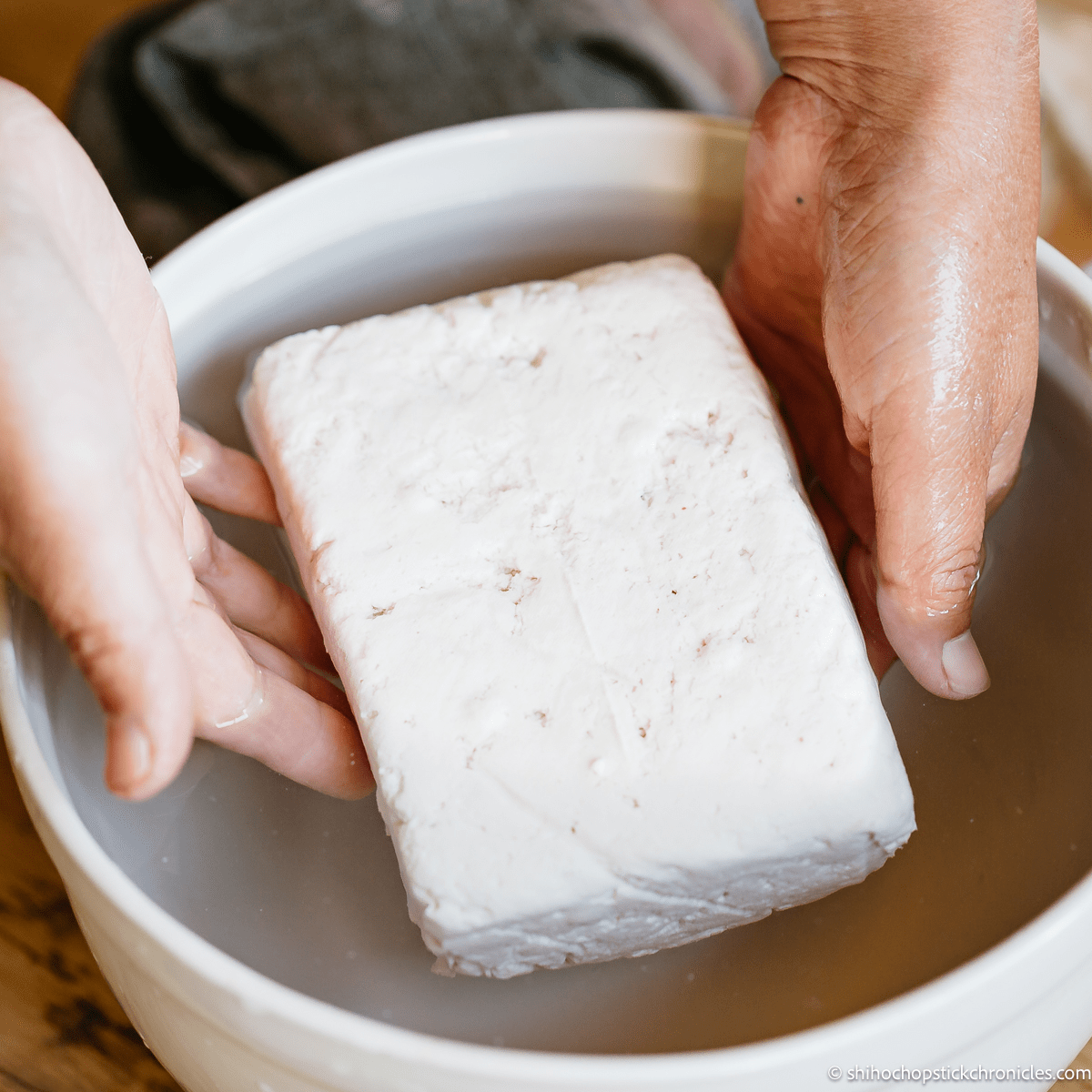
2. Tofu

Michael, 57, once thought tofu tasted like nothing.
But after grilling it with pepper and lemon, he noticed how satisfying and light it felt.
More importantly, his energy stayed steady without heaviness.

Tofu provides plant-based protein with potentially lower acid load, which some research suggests may ease kidney stress.
If you’re thinking, “I’m not a tofu person,” wait until you see the last one — it may be something you already love.

1. Skinless Poultry

Chicken breast, especially when cooked simply, offers lean and flexible protein.
Its mild taste allows endless seasoning without overwhelming the kidneys.
Compared to fattier cuts, it may produce less metabolic waste.

But here’s the twist:
How you cook it matters almost as much as which cut you choose.
And that leads us to what many readers ask next.

Comparison Table Proteins and Their Potential Kidney Impact

Protein TypePotential ImpactNotes
Egg whitesLower waste loadVery low phosphorus
White fishLean proteinMild flavor, versatile
TofuPlant-basedLower acid load
Skinless poultryBalanced choiceCooking method matters
Red meatHigher waste loadLimit frequency
Cured meatsHigh sodiumMay worsen fluid retention

How to Use These Proteins Safely

You might wonder, “What if I eat the wrong thing and make it worse?”
That’s why simple guidelines may help.

ProteinSuggested UseSafety Notes
Egg whitesOmelets, scramblesMonitor portion size
White fishBake or steamAvoid salty marinades
TofuGrill or sautéChoose minimally processed
Chicken breastBoil or bakeTrim visible fat
Red meatOccasional onlyWatch portion size
Cured meatsAvoid when possibleHigh sodium

Turning This Into a Safe Daily Habit

You might still wonder:
“How do I actually make this work every day?”

Start small.
Swap one high-sodium meat for a kidney-friendly protein.
Try baking instead of frying.
Use herbs for flavor instead of salt.
Rotate proteins to avoid overloading any single source.

And yes, checking with a health professional before making changes is essential.
Your kidneys are unique; what works well for someone else may not fit your needs exactly.

Final Thoughts and Your Next Step

Choosing proteins doesn’t need to feel like a minefield.
You now know the four that may support kidney-friendly eating, the six that may place extra burden, and the daily habits that may help you feel more confident.

Here’s something most people overlook:
Small changes consistently made often have the biggest impact.
You don’t need perfection — just awareness and steady steps.

If this helped you feel more in control, share it with someone who may need clarity too.
Knowledge, when shared, becomes power for more than one person.

This article is for informational purposes only and does not replace professional medical advice. Please consult your healthcare provider for personalized guidance.

Why Protein Choices Matter More Than You Think

Your kidneys work nonstop, quietly filtering waste, balancing minerals, and keeping your body steady.
But protein, once digested, creates waste products that your kidneys must clear. When kidney function decreases, this becomes tougher.
So here’s the catch:
You still need protein to maintain muscle, immunity, and energy… yet the wrong proteins may increase strain.

And here’s a question many people don’t ask:
Are all proteins equal when it comes to kidney load?
Not exactly, and that brings us to an unexpected twist.

But before we explore the best proteins, let’s start with the ones that might cause more trouble, because avoiding them may make the biggest difference.

Countdown The 6 Proteins Kidney Patients Should Consider Avoiding

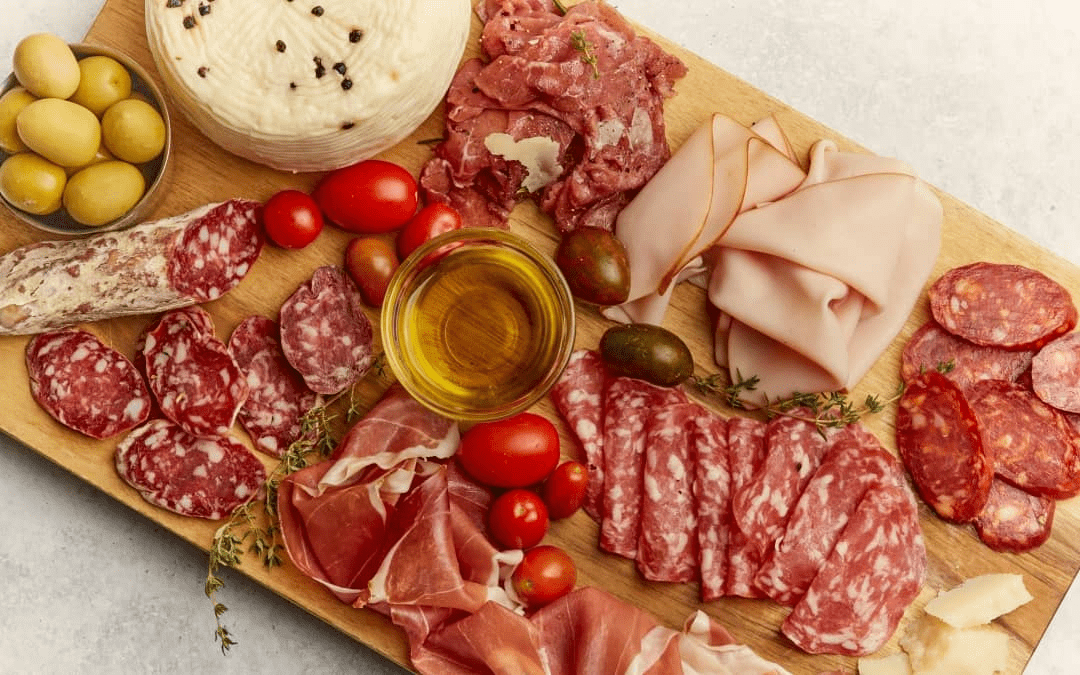
6. Salty Cured Meats

Picture opening a package of bacon or deli meats: that sharp, smoky smell, the salt crystals sticking to your fingers.
These foods are often packed with sodium and preservatives that may worsen fluid retention and blood pressure.
You might think “just a little won’t matter,” but for sensitive kidneys, even small amounts may accumulate.

But wait, the next one is even trickier, because it often hides behind a healthy image.

5. Processed Protein Snacks

Protein bars, jerky sticks, and high-protein chips look convenient and harmless.
But many contain phosphorus additives that your kidneys may struggle to filter.
The labels rarely show the full picture, leaving your kidneys to do the guessing.

Still with me? Because this next item is something many people love on weekends.

4. Red Meat (Excessive Intake)

A juicy steak smells incredible sizzling on a pan.
But too much red meat may create more metabolic waste than weakened kidneys can comfortably handle.
Studies suggest excessive intake may correlate with faster kidney function decline.

Does that mean never again? Not necessarily.
Moderation and frequency may matter more than elimination.

Next is a favorite in many family gatherings.

3. Sausages and Hot Dogs

They’re quick, tasty, and everywhere: cookouts, parties, holidays.
But they often combine high protein, sodium, and preservatives in one package.
Your kidneys may find this triple load especially demanding.

And now comes one most people never suspect.

Hot Sausage Beer Cheese Dip

by


Introduction

Hot Sausage Beer Cheese Dip is a bold, flavorful, and comforting appetizer that captures the spirit of casual gatherings, game days, and fun-filled weekends. Packed with seasoned Italian sausage, smooth cream cheese, and a blend of melty cheeses, it delivers a delicious balance of heat, richness, and depth enhanced by the addition of beer. This dip is the kind of dish that becomes the highlight of the table—warm, gooey, and impossible to stop eating.

Origin

Beer cheese dips trace their roots to the American Midwest, especially Kentucky, where beer cheese became a celebrated specialty in the mid-20th century. Over time, variations emerged across the country, incorporating local cheeses, spicy elements, and different meats. The addition of hot Italian sausage gives this version a more modern twist, merging classic beer cheese with the robust flavors of Italian-American cooking.

Cultural Significance

Beer cheese dips have long been synonymous with sports gatherings, tailgate parties, and family events. They symbolize warmth, togetherness, and easy entertaining—food that encourages sharing and conversation. The addition of sausage elevates the dip into a heartier, more indulgent experience, embraced across the U.S. as a must-have at parties and potlucks.

Ingredients (Quantities)

  • 1 lb Italian sausage
  • 1 cup beer (lager or ale works best)
  • 8 oz cream cheese, softened
  • 1 cup shredded cheddar cheese
  • 1/2 cup shredded mozzarella cheese
  • 1/4 cup grated Parmesan cheese
  • 1/2 cup milk
  • 2 tablespoons flour
  • 1 tablespoon Dijon mustard
  • 1/2 teaspoon garlic powder
  • 1/2 teaspoon onion powder
  • 1/2 teaspoon salt
  • 1/4 teaspoon black pepper

Optional Additions

  • 1/4 teaspoon smoked paprika for extra depth
  • 1 can diced green chiles for more heat
  • A splash of hot sauce for spice lovers
  • Chopped green onions for garnish
  • Crumbled bacon for added richness
  • Substitute part of the beer with chicken broth for a milder flavor

Tips for Success

  • Use freshly shredded cheese—it melts more smoothly than pre-shredded.
  • Choose a flavor-forward beer like a lager, amber, or pale ale; avoid overly bitter varieties.
  • Cook the sausage thoroughly and drain excess grease to avoid an oily dip.
  • Stir constantly when adding the cheese to prevent clumping or burning.
  • Keep warm in a slow cooker on low if serving at a long event.

Instructions

  1. Cook the Sausage:
    In a skillet over medium heat, cook the Italian sausage until browned and fully cooked. Break it into crumbles as it cooks. Drain excess grease and set aside.
  2. Create a Roux:
    In the same skillet, sprinkle the flour. Stir for 1–2 minutes to cook off the raw flour taste.
  3. Add Beer and Milk:
    Slowly pour in the beer and milk, whisking constantly until smooth and slightly thickened.
  4. Add Cream Cheese:
    Stir in the softened cream cheese until fully melted and incorporated.
  5. Melt the Cheeses:
    Add cheddar, mozzarella, and Parmesan. Stir continuously until the mixture becomes smooth and creamy.
  6. Season:
    Add Dijon mustard, garlic powder, onion powder, salt, and pepper. Adjust seasoning as desired.
  7. Add Sausage:
    Return the cooked sausage to the skillet and mix well.
  8. Serve:
    Transfer to a serving dish or bowl and enjoy warm with chips, pretzels, veggies, or crusty bread.

Description

This dip is everything you could want in a party appetizer—rich, velvety cheese blended with flavorful beer, studded with spicy Italian sausage crumbles. It boasts a warm, savory aroma and a smooth, hearty texture. Each bite delivers a perfect mix of creamy cheese, tangy beer notes, and a satisfying kick of heat.

Nutritional Information (Approximate per 1/4 cup serving)

  • Calories: 220
  • Fat: 17g
  • Saturated Fat: 8g
  • Carbohydrates: 4g
  • Protein: 10g
  • Sodium: 330mg
  • Fiber: 0g
    (Values vary based on ingredients used.)

Conclusion

Hot Sausage Beer Cheese Dip is the ultimate crowd-pleaser—bold, cheesy, savory, and packed with personality. It’s easy to whip up, perfect for gatherings, and always leaves guests asking for more. Whether for game day, holidays, or casual evenings, this dip brings warmth and fun to any occasion.

Recommendation

Pair this dip with warm pretzels, crunchy tortilla chips, celery sticks, or crusty bread. Serve it alongside cold drinks or beer to enhance the flavor profile. For extra vibrancy, top with green onions or a dash of smoked paprika.

Embracing Healthful Indulgence

While this dish is undeniably indulgent, you can enjoy it mindfully by pairing it with lighter dippers like vegetables or whole-grain crackers. Balance your meal by offering fresh fruit or salads alongside richer snacks. Savoring small portions while appreciating flavor and texture allows you to enjoy comfort food without overdoing it.