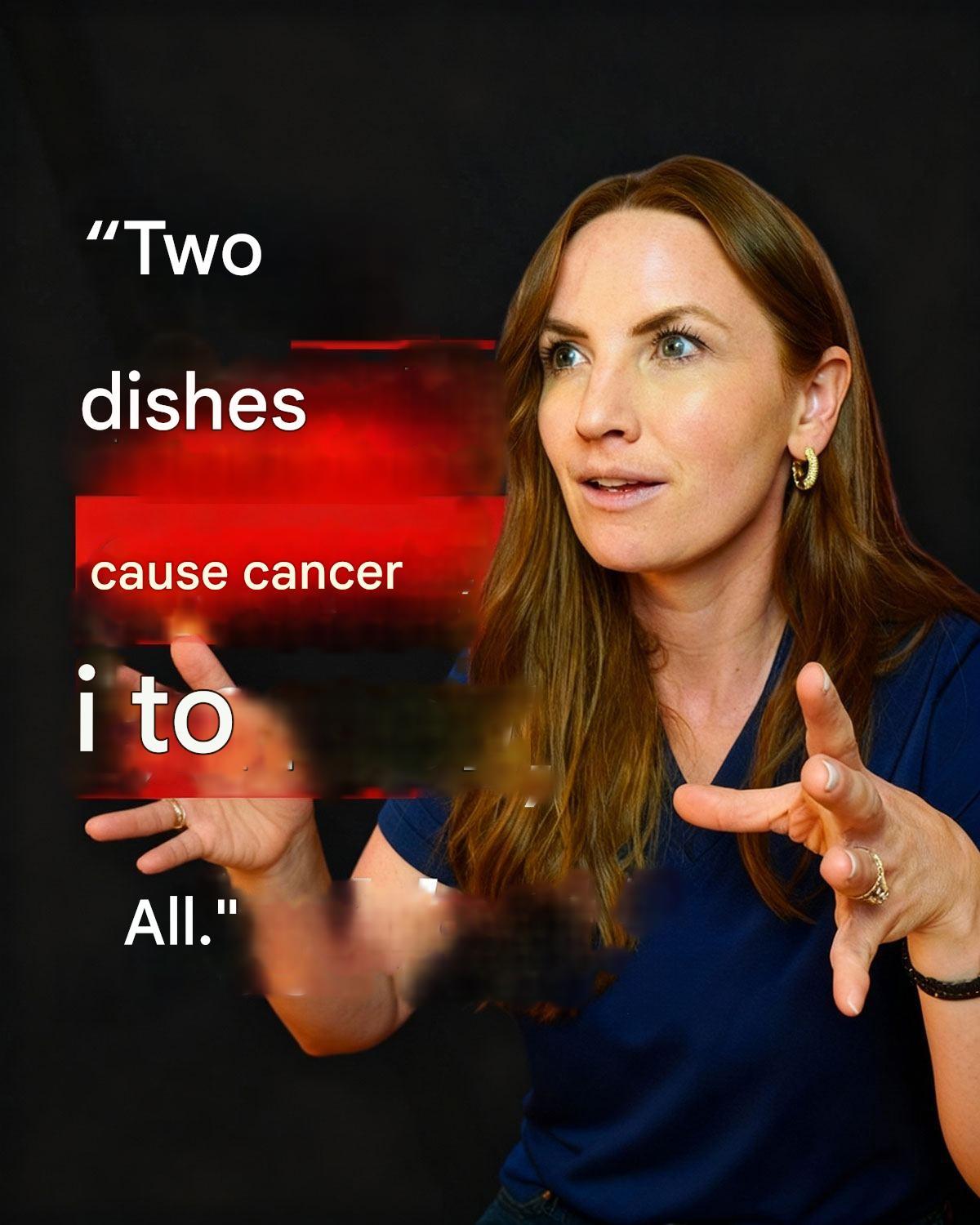
As a cancer survivor, you've probably heard everywhere that sugar causes cancer, that dairy is dangerous, and that eating meat can cause cancer to recur. The truth is, however, after analyzing the scientific evidence, only two foods have been unequivocally and consistently linked to an increased risk of cancer.
This information is crucial because cancer survivors deserve accurate information, not sensationalism and misinformation. You've been through enough. You need clarity and confidence to know which foods are helping you recover and which are silently working against you.
Misconceptions about diet and cancer
There's a lot of buzz surrounding diet and cancer. Before we reveal the only two foods scientifically proven to increase cancer risk, let's clear up a few misconceptions.
Sugar: It's true that cancer cells use glucose for energy, but so do all cells in our bodies. Therefore, completely eliminating sugar from the diet would be pointless, as cancer cells would simply find another source of energy. Overall nutrition and balanced blood sugar levels are even more important. Whole grains containing sugar, such as fruit, are not prohibited.
Soy: This fear terrifies many women, especially breast cancer survivors. Soy contains phytoestrogens, compounds similar to, but distinct from, estrogen. Consuming phytoestrogens does not increase estrogen levels in the body. In fact, recent studies have shown that consuming phytoestrogens actually reduces the risk of breast cancer recurrence, even in hormone-positive breast cancers.
Animal Meat: Eating unprocessed red meat in moderation doesn't increase your risk of cancer. Processed meat poses a significantly higher risk. The key lies in two things: how the meat is prepared and how often it's eaten.
First meal: cold cuts
Processed meats aren't just regular meats. They're modified, dried, or smoked to extend their shelf life or enhance flavor. Examples include cold cuts, sausages, bacon, hot dogs, and ground beef.
Large-scale epidemiological studies have shown a clear association between high consumption of processed meats and an increased risk of cancer, particularly breast, colon, and lung cancer. A daily intake of 50 grams of processed meats increases the risk of cancer by 18%. Fifty grams is the equivalent of two slices of bacon or a processed meat sandwich eaten for lunch every day.
These meats often contain preservatives such as nitrates. While these additives extend shelf life and enhance color and flavor, they can also produce a compound in the body that damages cellular DNA, thus promoting the development of cancer.
Even if products are labeled “nitrate-free,” most still contain naturally occurring nitrates or other types of preservatives that pose similar risks. These “nitrate-free” processed meats behave in the body in the same way.
Therefore, it's recommended to avoid cold cuts in your daily diet. Don't keep them around the house as a standard. If you occasionally crave bacon, for example, at brunch at a restaurant, do so without guilt, but treat it as an exception, not a habit.
Second food: alcohol
Alcohol is classified as a Group 1 carcinogen, which puts it in the same category as tobacco. It increases the risk of seven different types of cancer, including breast, colon, esophageal, liver, and mouth and throat cancer.
Scientific data shows that one glass of alcohol a day increases the risk of cancer by about 9%. Three glasses of alcohol a week, or one glass every other day, would increase the risk by about 4%. This is also true for one glass of red wine.
The common belief that red wine is healthier than other types of alcohol is false. All alcohol is toxic to the body. The antioxidants found in alcohol, such as red wine, can be easily obtained from foods like berries and grapes.
When we analyze data from large populations – hundreds of thousands of people – and look for links between their habits and the occurrence of cancer, we find that alcohol consumption is associated with an increased risk of cancer.
Focus on what's most important
Only two food categories are actually linked to cancer: processed meats and alcohol. All the others—dairy, soy, meat, gluten—are not clearly linked to an increased risk of cancer.
It would be better to devote our energy to a holistic analysis of our diet and ensure it helps reduce our risk of cancer. If we fall into the trap of eliminating or restricting large food groups, it's out of fear, not strategy.
You can live a joyful life by eating healthily while also reducing your risk of cancer. The idea is to eat mindfully, consciously, and guilt-free.


0 Comments:
Enregistrer un commentaire