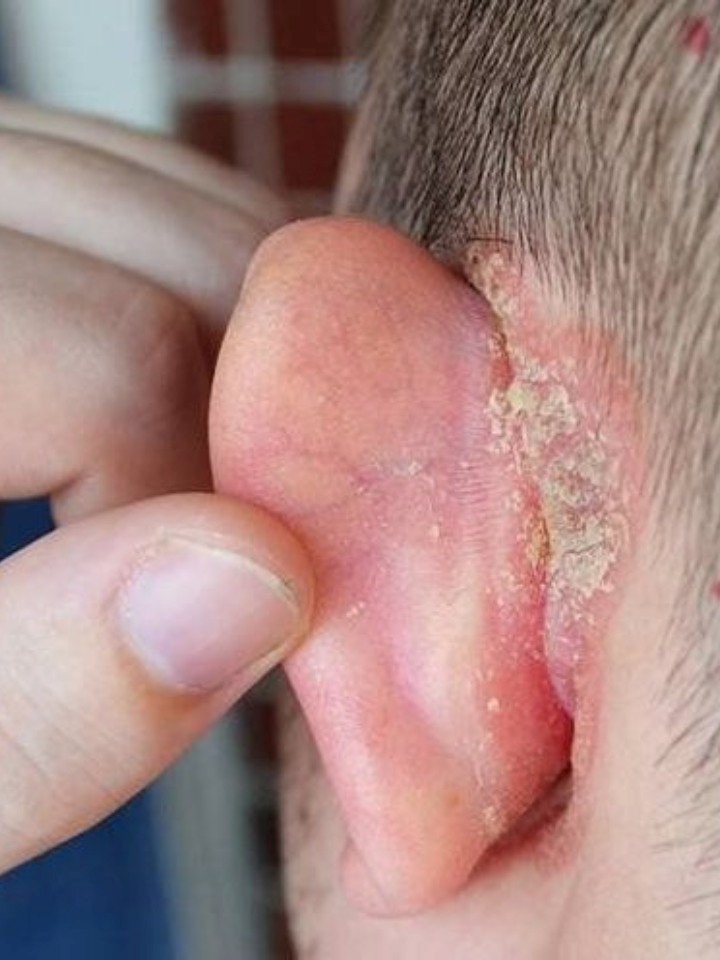
I Woke Up This Morning and Noticed a Weird-Looking Patch of Skin on My Son’s Ear. His Doctor’s Visit Isn’t for Another Week—What Can I Safely Do Until Then?
Noticing an unexpected patch of skin on your child—especially on something as visible as the ear—can be worrying. The good news is that many skin changes in children are common and harmless, and there are safe, gentle steps you can take while waiting for the doctor’s appointment.
This article focuses on what you can safely do at home and when you should seek earlier medical care.
First: Observe Carefully (Without Panic)
Take note of:
- Color (red, pink, white, brown, flaky, scaly)
- Texture (dry, rough, raised, crusty)
- Size and shape
- Symptoms (itching, pain, warmth, discharge)
- Changes over time
If possible, take a clear photo today. This helps you track changes and gives the doctor a useful reference.
Common (Usually Mild) Causes
Without diagnosing, many ear skin patches in children are related to:
- Dry skin or eczema
- Mild contact irritation (soap, shampoo, hat, headphones)
- Insect bites
- Mild fungal or bacterial skin irritation
- Sun exposure
Most are not emergencies.
What You Can Safely Do Until the Appointment
1. Keep the Area Clean and Dry
Gently clean once daily with:
- Lukewarm water
- A mild, fragrance-free soap (or just water if skin is sensitive)
Pat dry—don’t rub.
2. Avoid Picking or Scratching
Picking can cause infection or scarring, especially on delicate ear skin.
If your child is scratching:
- Keep nails trimmed
- Consider a soft hat at night (if age-appropriate)
3. Use a Gentle Moisturizer (If Skin Is Dry)
Apply a fragrance-free, hypoallergenic moisturizer once or twice daily.
Good options:
- Plain petroleum jelly
- Pediatric eczema creams
- Simple barrier creams
Avoid products with alcohol, fragrance, or essential oils.
4. Do NOT Apply Medications Unless Advised
Until a doctor sees it:
 No steroid creams
- No antifungal or antibiotic ointments
- No home remedies (vinegar, oils, herbal products)
Using the wrong treatment can make some conditions worse.
5. Protect From Sun and Irritants
- Avoid direct sun exposure on the ear
- Skip new shampoos, soaps, or laundry detergents
- Avoid tight hats or headphones rubbing the area
Watch for These Warning Signs (Seek Care Sooner If You See Them)
Contact your doctor earlier or seek urgent care if you notice:
- Rapid spreading or swelling
- Severe pain or tenderness
- Fever
- Pus, oozing, or honey-colored crust
- Redness spreading beyond the ear
- The skin becoming very warm to touch
- Your child seems unusually unwell
These can indicate infection and shouldn’t wait a week.
What to Tell the Doctor
At the visit, mention:
- When you first noticed it
- Whether it changed in size, color, or texture
- Any itching, pain, or discharge
- New products, activities, or exposures
- Any history of eczema, allergies, or skin issues
This helps speed up diagnosis and treatment.
Final Thoughts
It’s completely natural to worry when something unusual appears on your child’s skin. In most cases, gentle care, observation, and avoiding irritation are the safest steps until your scheduled appointment.
Trust your instincts—if something doesn’t feel right, it’s okay to seek care sooner. Until then, keeping the area clean, calm, and untouched is often the best medicine.
You’re doing the right thing by paying attention. 


0 Comments:
Enregistrer un commentaire