
I bought salmon a week ago and wanted to make it for dinner today. When I took it out of the refrigerator, it had a yellow stain on it. What is it?
You plan dinner all day, pull the salmon out of the refrigerator, and then—there it is. A **yellow stain** on the flesh that definitely wasn’t there when you bought it. Your first thought is probably the right one:
*Is this still safe to eat?*
Salmon is nutritious, delicious, and unfortunately one of the **most perishable proteins** you can buy. Changes in color—especially yellowing—are your body’s early warning system telling you something has changed. But **not all yellow discoloration means the same thing**, and not all of it automatically means the fish is dangerous.
Let’s walk through what that yellow stain could be, why it happens, and how to decide whether your salmon belongs in the pan—or the trash.
—
## First Things First: How Old Is “A Week Ago”?
Before diving into causes, it’s important to clarify timing.
Raw salmon stored in a refrigerator (at or below **40°F / 4°C**) is generally safe for:
* **1–2 days** after purchase (USDA guideline)
Even if the “sell by” date hasn’t passed, the clock starts ticking **once the fish is opened or handled**.
So if your salmon has been in the fridge for a full week, the yellow stain may already be a strong warning sign—regardless of what caused it.
That said, let’s break down what that yellow discoloration actually is.
—
## What Is That Yellow Stain on Salmon?
There are **four main reasons** salmon can develop yellow patches or stains. Some are harmless; others mean the fish should not be eaten.
### 1. Oxidation of Fats (Most Common)
Salmon is rich in **omega-3 fatty acids**, which are healthy—but also extremely sensitive to oxygen.
When these fats oxidize, they can:
* Turn **yellow or yellow-brown**
* Develop a dull or greasy look
* Create off flavors over time
This usually happens when:
* The salmon isn’t airtight
* It’s been stored too long
* The fridge temperature fluctuates
Oxidation alone doesn’t always make fish unsafe, but it *does* mean the quality has declined—and it often precedes spoilage.
—
### 2. Protein Breakdown (Early Spoilage)
As fish ages, enzymes naturally break down proteins in the flesh. This can cause:
* Yellowish streaks
* Patchy discoloration
* Slight translucency in areas
This is an **early spoilage indicator**. The fish may not yet smell terrible, but it’s on its way.
At this stage, eating it is **not recommended**, especially for children, older adults, or anyone with a weakened immune system.
—
### 3. Bacterial Growth (Serious Red Flag)
Some bacteria produce pigments as they grow. Yellow stains caused by bacteria are often accompanied by:
* Slimy texture
* Sticky residue
* Sour, sulfur-like, or “fishy” odor
* Soft or mushy flesh
If the yellow area looks wet, cloudy, or slimy, **do not taste it**. Bacterial spoilage can occur even without obvious mold.
This type of discoloration means the salmon is **unsafe**.
—
### 4. Natural Fat Deposits (Rare but Possible)
In very fresh, high-fat salmon, you may sometimes see:
* Pale yellow lines or streaks
* Especially near the belly section
This is simply **fat**, not spoilage—but it:
* Appears immediately when the fish is fresh
* Does not spread over time
* Does not smell bad
* Does not appear suddenly after days in the fridge
If the yellow stain **wasn’t there when you bought it**, this explanation is unlikely.
—
## Visual Clues: What Does the Yellow Look Like?


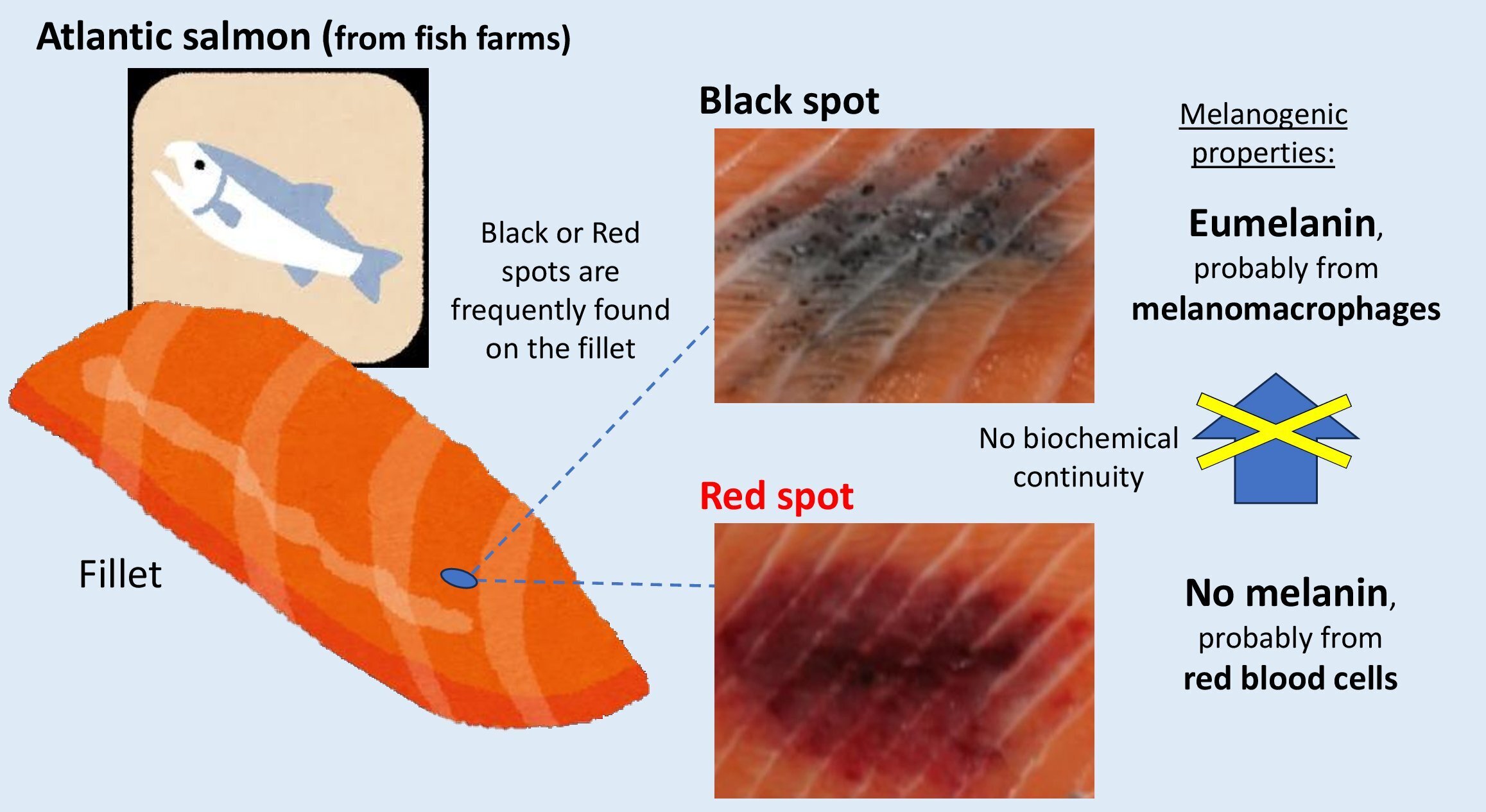
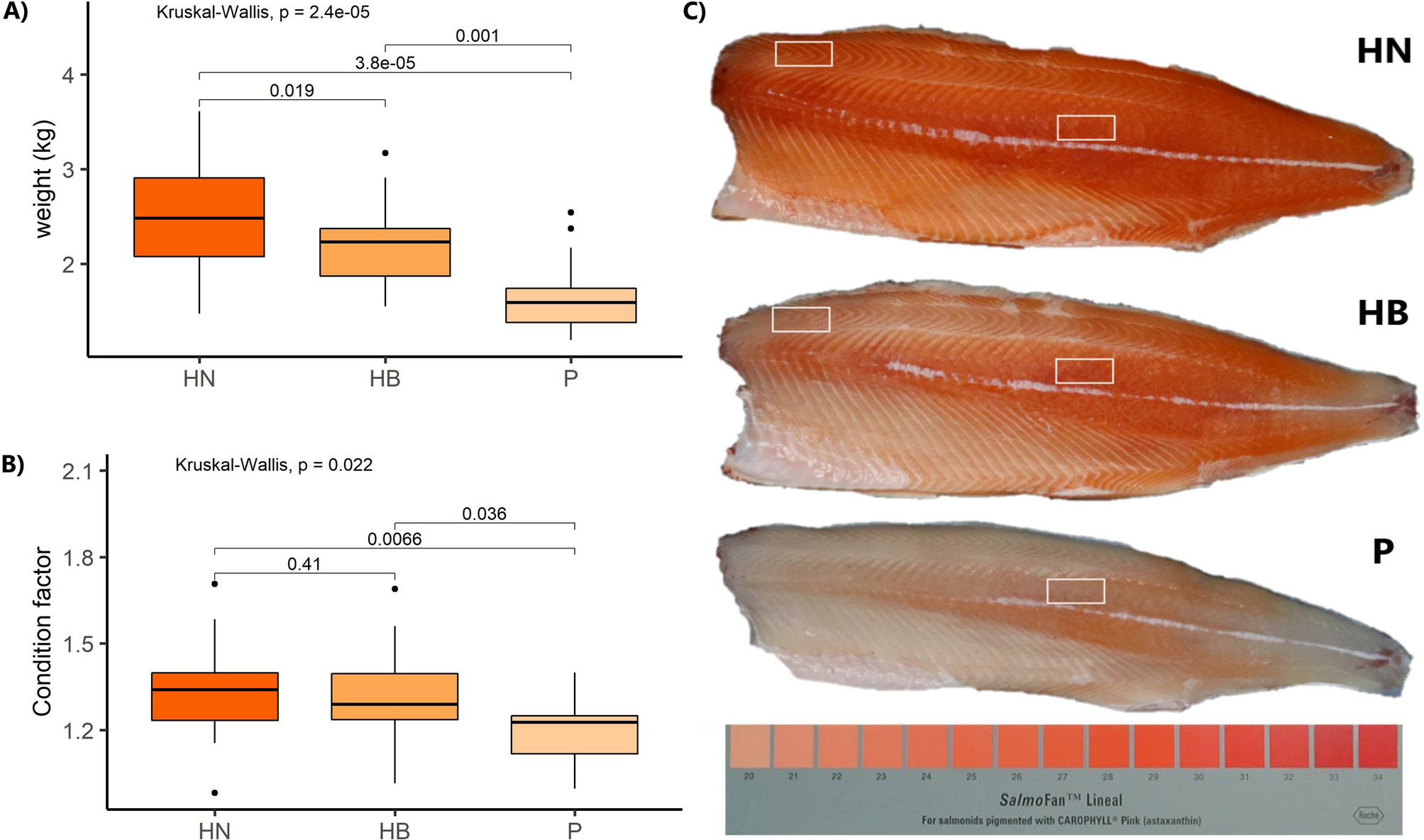
Here’s how to visually assess it:
### Probably Not Safe
* Yellow combined with gray or brown
* Patchy or spreading discoloration
* Slimy or sticky surface
* Cloudy or milky appearance
### Still Questionable (But Lean Toward Tossing)
* Yellowing with dull flesh
* Loss of vibrant pink/orange color
* Dry edges with yellow tint
### Likely Safe (Only If Very Fresh)
* Thin, pale yellow fat lines
* No odor
* Firm texture
* Recently purchased (1–2 days)
When in doubt, **assume the worst**, not the best.
—
## Smell Test: The Ultimate Decider
Your nose is more reliable than your eyes.
Fresh salmon should smell:
* Mild
* Clean
* Slightly ocean-like
Spoiled salmon smells:
* Sour
* Ammonia-like
* “Fishy” in a sharp, unpleasant way
* Sulfurous or egg-like
If you notice **any unpleasant odor at all**, the salmon should be discarded—yellow stain or not.
—
## Texture Matters More Than Color
Press the flesh gently with a finger.
### Safe Texture
* Firm
* Springs back
* Moist but not slimy
### Unsafe Texture
* Mushy
* Leaves finger impressions
* Slimy or sticky coating
Yellow + slimy = **do not eat**.
—
## Can Cooking Fix It?
This is a common and dangerous misconception.
 **Cooking does not make spoiled fish safe.**
While heat kills many bacteria, it does **not**:
* Destroy toxins already produced
* Reverse protein breakdown
* Eliminate chemical spoilage from oxidation
If the salmon is compromised, cooking it may only hide the smell—not the risk.
—
## Why Salmon Spoils So Fast
Salmon is particularly delicate because:
* It’s high in polyunsaturated fats
* It has high moisture content
* Its flesh is soft and porous
* It often travels long distances before purchase
Even under ideal refrigeration, quality declines rapidly.
—
## Proper Storage: What Should Have Happened?
To keep salmon fresh:
* Store at **32–38°F (0–3°C)** if possible
* Keep it **tightly wrapped** or vacuum-sealed
* Place it on ice in the fridge if storing more than 24 hours
* Use within **1–2 days**
If you know you won’t cook it quickly, freezing is the safest option.
—
## What If It Was Frozen Then Thawed?
If your salmon was previously frozen and then thawed in the fridge:
* The storage window shrinks further
* Fat oxidation happens faster
* Texture degrades more quickly
Yellowing after thawing is especially common—and usually a sign the fish has passed its prime.
—
## When to Absolutely Throw Salmon Away
Discard the salmon immediately if:
* It’s been refrigerated raw for a week
* There’s yellow discoloration plus odor
* The surface is slimy
* The flesh is soft or sticky
* You feel unsure or uneasy about it
Food poisoning from fish can be severe and fast-acting. No dinner is worth that risk.
—
## So… What Is That Yellow Stain?
In most real-life cases like the one you described, the yellow stain is:
**A sign of fat oxidation and early spoilage—often progressing toward bacterial breakdown.**
And if the salmon has been in your fridge for a week, the safest answer is clear.
—
## The Bottom Line
If you bought salmon a week ago and are now seeing a yellow stain:
* It is **very likely no longer safe**
* The discoloration is a warning sign, not a cosmetic flaw
* Cooking it will not fix the problem
When it comes to seafood, the rule is simple:
**If you hesitate, throw it away.**
Your health is worth far more than a piece of salmon.
—
If you want, I can also:
* Help you identify spoilage in **other fish**
* Explain **freezing vs refrigeration timelines**
* Share tips to **extend fish freshness safely**
* Write a shorter version for **quick-read blogs**
Just let me know 


0 Comments:
Enregistrer un commentaire