samedi 13 décembre 2025

Canning Strawberries

by


Canning Strawberries


Introduction
Canning strawberries is a timeless way to preserve their vibrant color, sweet flavor, and juicy freshness long after peak season has passed. Whether you use them for desserts, breakfasts, or spreads, canned strawberries offer a taste of summer all year round. This simple and satisfying method allows you to enjoy high-quality fruit without additives or artificial preservatives.

Origin
Fruit preservation has roots dating back thousands of years, but modern water-bath canning gained widespread popularity in the 19th century when glass jars and sealing methods became accessible. Strawberries, among the earliest fruits harvested in spring, were one of the first to be preserved because of their delicate nature and short shelf life. Canning them became an essential seasonal practice in many households across North America and Europe.

Cultural Significance
Canning has long been more than a cooking technique—it is a tradition deeply tied to seasonal living, community, and sustainability. Many families pass down canning recipes through generations, making each jar symbolic of craftsmanship and care. Canning strawberries represents the renewal of spring harvests and the joy of savoring freshly preserved fruit during colder months. It also encourages self-reliance and reduces waste by transforming perishable produce into long-lasting pantry treasures.

Ingredients Quantity
4 cups strawberries, washed and hulled
½ cup sugar (optional — helps preserve color, sweetness, and syrup consistency)
Optional Additions
1–2 tbsp lemon juice (enhances shelf stability and brightness)
½ tsp vanilla extract (adds warm sweetness)
½ tsp almond extract (gives a classic jam-like aroma)
A small piece of lemon zest
Additional sugar for a thicker syrup
A pinch of salt to enhance flavor
Tips for Success
Use perfectly ripe strawberries: Overripe berries soften too much; underripe berries lack sweetness.
Sterilize your jars properly: Prevents contamination and ensures safe long-term storage.
Pack strawberries gently: Avoid crushing them; whole berries make the best presentation.
Hot packing improves flavor: Warming berries in syrup before canning helps them retain shape and color.
Leave proper headspace: Usually ½ inch to allow expansion during processing.
Use a water-bath canner: Strawberries are high-acid and safe for this method.
Listen for the seal “pop”: A properly sealed jar will form a vacuum as it cools.
Instructions
Prepare your jars
Sterilize canning jars, lids, and bands by boiling them for 10 minutes or washing them in hot, soapy water and keeping them warm until use.
Make the syrup (optional)
If using sugar, combine sugar with 1 cup of water in a saucepan. Heat until dissolved to create a light syrup.
Prep the strawberries
Wash, dry, and hull strawberries. Small berries can stay whole; large ones may be halved.
Hot pack (recommended)
Add strawberries to the warm syrup and heat gently for 2–3 minutes until just warmed through. Do not boil. OR Raw pack: Add strawberries directly into jars and pour hot syrup or boiling water over them.
Fill the jars
Pack strawberries into jars, leaving ½-inch headspace. Pour the hot syrup over the berries.
Remove air bubbles
Run a clean utensil along the inside edges to release trapped air. Adjust headspace if needed.
Seal the jars
Wipe rims clean. Place lids on top and screw on bands until fingertip tight.
Process in a water bath
Submerge jars in a boiling water canner, ensuring at least 1 inch of water above the lids.
Process for 15 minutes (adjust for altitude if needed).
Cool and store
Remove jars carefully and let them rest undisturbed for 12–24 hours. Check seals. Label and store in a cool, dark place for up to 1 year.
Description
These canned strawberries are vibrant, tender, and beautifully suspended in a lightly sweetened syrup. Their flavor remains bright and fruity, ideal for spooning over pancakes, yogurt, oatmeal, shortcakes, ice cream, or simply enjoying straight from the jar. Each jar captures the essence of fresh spring berries at their sweetest moment.

Nutritional Information (Approx. per ½-cup serving)
Calories: 60–80
Carbohydrates: 15–18g
Sugars: 12–15g
Fiber: 1–2g
Fat: 0g
Protein: 0–1g
Sodium: 0mg
Values vary depending on sugar usage.
Conclusion
Canning strawberries is a simple yet rewarding way to preserve one of nature’s sweetest fruits. With minimal ingredients and basic equipment, you can create jars filled with flavor, color, and nostalgia. Whether enjoyed fresh or used in your favorite recipes, canned strawberries bring warmth and brightness to every season.

Recommendation
Use these strawberries in homemade desserts, swirl them into yogurt or smoothies, or spoon them over biscuits to make an effortless strawberry shortcake. Keep several jars on hand for gifting — they make thoughtful, homemade treats for loved ones.

Embracing Healthful Indulgence
Canned strawberries offer a wonderful balance of indulgence and nourishment. Strawberries are naturally rich in antioxidants, vitamin C, and fiber. When preserved thoughtfully, they become a wholesome addition to meals and desserts. A spoonful feels like a sweet treat, yet provides natural nutrients and a pure fruit experience. Enjoy each jar knowing you’ve embraced both flavor and wellness in one delightful preserve.


Perfect Turkey Grav

by


Introduction

A silky, perfectly seasoned turkey gravy has the power to elevate any holiday meal from ordinary to unforgettable. Rich, velvety, and deeply savory, this gravy is crafted to complement roasted turkey, mashed potatoes, stuffing, and all the comforting dishes that define a festive table. Whether you have flavorful drippings from your turkey or you’re preparing gravy without them, this recipe ensures a flawless result every time.

Origin and Cultural Significance

Gravy has long held a cherished place in culinary traditions around the world, but it has a particularly prominent role in American Thanksgiving and holiday celebrations. Historically, cooks used every part of the bird, including the juices collected in the roasting pan, to create a nourishing sauce that tied the entire meal together. Over time, turkey gravy became more than just a practical creation—it became a symbol of abundance, hospitality, and the heartwarming simplicity of family-style cooking.

Ingredients Quantity

  • ½ cup butter, cut into 8 pieces
  • ½ cup all-purpose flour
  • 1 tsp coarse black pepper
  • 4 cups pan drippings OR 4 cups chicken or turkey stock

Optional Additions

  • A splash of heavy cream for extra richness
  • Fresh herbs such as thyme, sage, or rosemary
  • Garlic powder or onion powder for deeper flavor
  • A dash of Worcestershire sauce
  • Salt, only if needed (drippings are often salty enough)
  • White wine (2–3 tablespoons) added before the stock for subtle brightness

Tips for Success

  • Skim the fat carefully: Removing excess fat from the drippings ensures your gravy is velvety, not greasy.
  • Cook the roux thoroughly: Let the flour and butter mixture turn lightly golden before adding liquid—this prevents a raw flour taste.
  • Add liquid slowly: Whisk constantly to maintain a smooth consistency.
  • Adjust thickness: Add more stock to thin or simmer longer to thicken.
  • Taste before seasoning: Pan drippings vary in saltiness, so add extra salt only if needed.

Instructions

  1. Prepare the drippings (if using):
    Pour drippings through a fine mesh strainer into a bowl. Let them cool until the fat rises and begins to solidify. Skim off the fat with a spoon. If you have less than 4 cups of liquid, add enough chicken or turkey stock to reach 4 cups.
  2. If not using drippings:
    Simply measure out 4 cups of chicken or turkey stock.
  3. Make the roux:
    In a medium saucepan, melt butter over medium heat. Add flour and whisk continuously for 2–3 minutes until the mixture becomes smooth and lightly golden.
  4. Add liquid:
    Slowly pour in the drippings or stock while whisking vigorously to avoid lumps.
  5. Season and simmer:
    Add the coarse black pepper and bring the gravy to a gentle simmer. Cook until thickened, about 5–7 minutes, stirring frequently.
  6. Adjust and serve:
    Taste and adjust seasonings if needed. Serve hot over turkey and your favorite sides.

Description

This Perfect Turkey Gravy is luxuriously smooth with a deep, savory flavor that captures the essence of a holiday feast. The roux-based foundation gives it body and richness, while the drippings or stock infuse the sauce with authentic roasted poultry flavor. It’s comforting, aromatic, and beautifully coats each bite.

Nutritional Information

(Approximate per ¼ cup serving)

  • Calories: ~110
  • Fat: ~8–9g
  • Carbohydrates: ~6g
  • Protein: ~1g
  • Sodium: Varies depending on drippings/stock
  • Fiber: 0g

(Values will vary depending on the saltiness and fat content of the drippings used.)

Conclusion

This Perfect Turkey Gravy is designed to be foolproof, flexible, and deeply flavorful—an essential finishing touch to your festive meal. Whether you’re hosting a large gathering or enjoying an intimate holiday dinner, this gravy ties everything together with warmth and richness.

Recommendation

For the best results, prepare this gravy just before serving. If you make it ahead, reheat gently and whisk in a splash of stock to refresh its smooth consistency. Pair it with roasted turkey, mashed potatoes, biscuits, or stuffing for a cohesive and comforting holiday menu.

Embracing Healthful Indulgence

Good gravy is a small indulgence that brings big joy. By controlling ingredients and seasoning thoughtfully, you can enjoy a rich, satisfying sauce while keeping balance in mind. Savor each comforting spoonful—it’s all part of the celebration.

Keep your liver happy: Enjoy these 4 vegetables and 2 fruits every day!

by


Keep your liver happy: Enjoy these 4 vegetables and 2 fruits every day!

The liver is one of the hardest-working and most essential organs in the human body. It plays a central role in detoxifying harmful substances, metabolizing nutrients, producing bile for digestion, regulating blood sugar, and balancing hormones. Every day, your liver processes everything you eat, drink, and absorb from the environment.

However, modern lifestyles – characterized by processed foods, excess sugar, alcohol, unhealthy fats, and environmental toxins—place enormous strain on the liver. Over time, this overload can weaken liver function and increase the risk of conditions such as fatty liver disease, chronic inflammation, and even cirrhosis.

One of the most effective ways to support liver health is through diet. Certain vegetables and fruits contain powerful nutrients that enhance the liver’s natural detoxification processes, reduce inflammation, and protect liver cells from damage.

Below is a detailed guide to vegetables and fruits that support liver health, along with an important section on who should be cautious or avoid these foods.

Why Liver Health Is So Important

Your liver acts as the body’s main filtration system. It:

  • Breaks down toxins, medications, and alcohol

  • Converts nutrients into usable energy

  • Stores vitamins and minerals

  • Produces bile to digest fats

  • Regulates cholesterol and blood sugar levels

When the liver becomes overloaded, toxins can accumulate in the body, leading to fatigue, digestive problems, hormonal imbalance, and long-term disease. Supporting liver health through nutrition helps maintain overall balance and prevents serious complications.

4 Vegetables That Support Liver Health

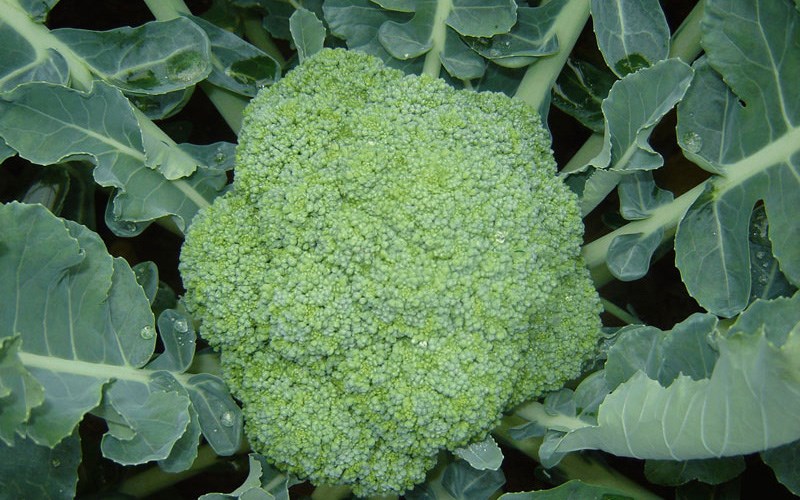
1. Broccoli

Broccoli is a cruciferous vegetable rich in fiber, vitamin C, vitamin K, and antioxidants. One of its most powerful compounds is sulforaphane, which activates liver enzymes responsible for detoxifying harmful substances.

Liver benefits:

  • Enhances detoxification pathways

  • Reduces oxidative stress in liver cells

  • Helps prevent fat accumulation in the liver

  • Supports overall metabolic health

Regular consumption of broccoli has been linked to a lower risk of fatty liver disease and improved liver enzyme levels.

Cách chọn súp lơ ngon chuẩn, cách bảo quản súp lơ (bông cải) tươi lâu

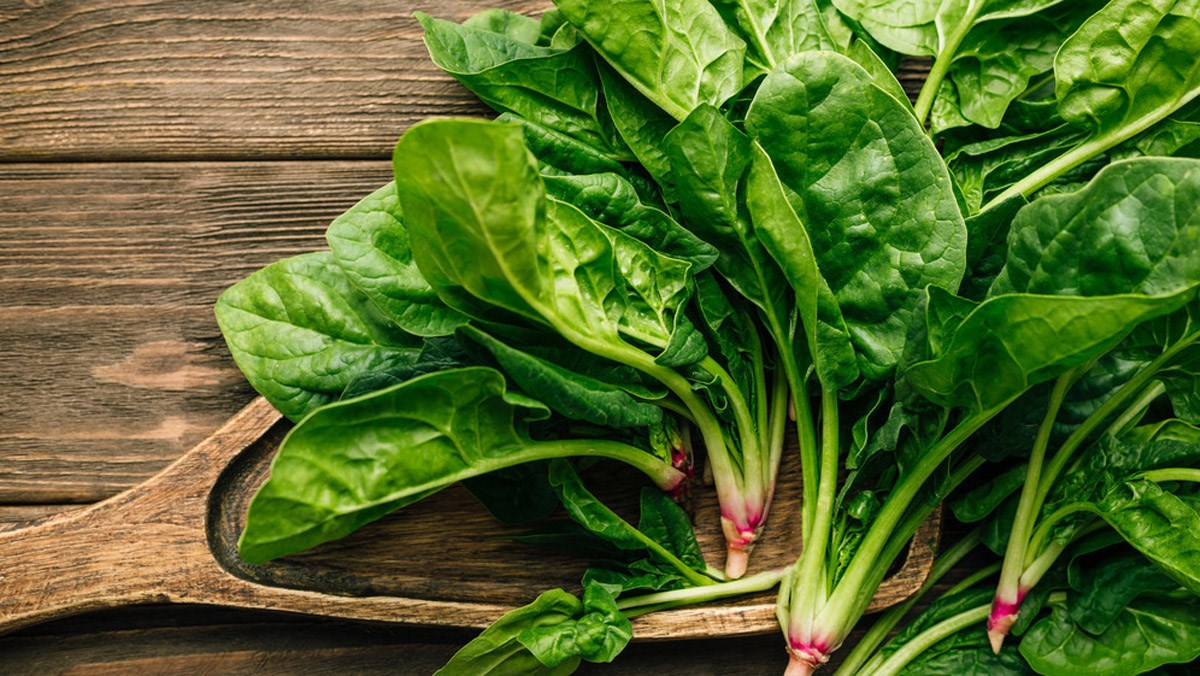
2. Spinach

Spinach is loaded with chlorophyll, a natural compound that helps cleanse the bloodstream of toxins before they reach the liver. It also contains vitamins A, C, E, magnesium, iron, and folate, all of which are essential for liver repair and function.

Liver benefits:

  • Supports blood detoxification

  • Reduces inflammation

  • Aids in bile production

  • Helps neutralize free radicals

Spinach can be eaten raw in salads or lightly cooked to preserve nutrients.

Rau chân vịt là gì, có phải rau mồng tơi không? Cách dùng và nơi mua

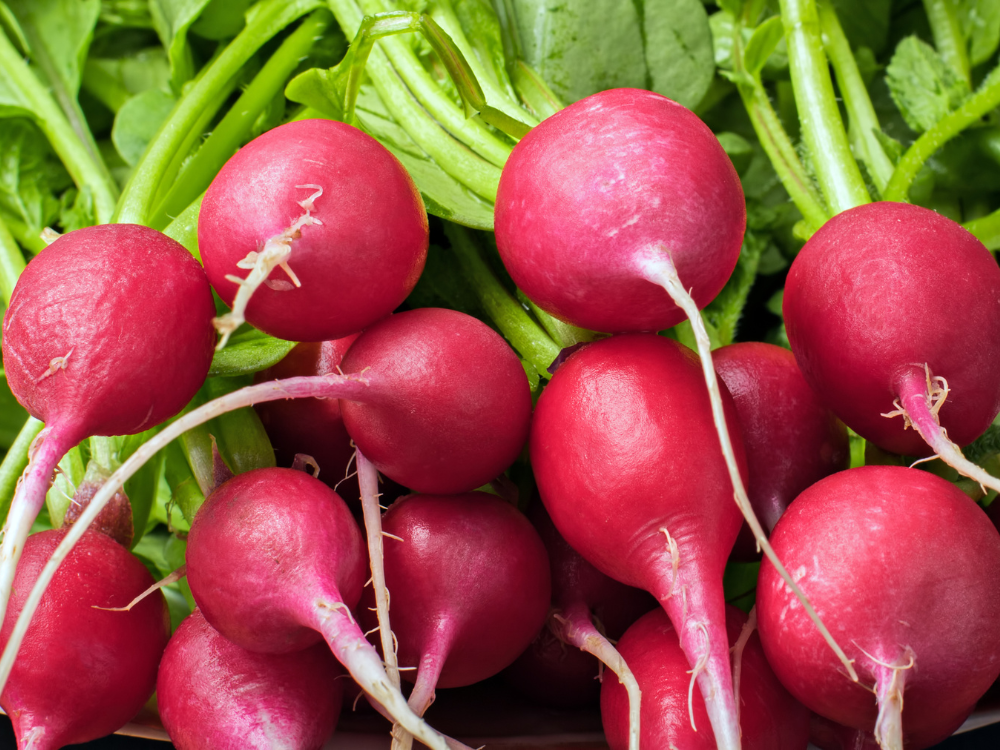
3. Beets

Beets are well known for their deep red color, which comes from betalains – powerful antioxidants with anti-inflammatory and detoxifying properties. Beets also support liver blood flow and enzyme activity.

Liver benefits:

  • Promotes detox enzyme production

  • Reduces oxidative damage

  • Improves bile flow

  • Helps eliminate heavy metals and toxins

Beets can be consumed roasted, steamed, or as fresh juice in moderation.

Củ cải đường là gì? Tác dụng của củ cải đường

4. Garlic

Garlic may be small, but it is extremely potent for liver health. It contains allicin and selenium, compounds that activate liver enzymes and enhance the elimination of toxins.

Liver benefits:

  • Stimulates detoxification enzymes

  • Helps reduce fat buildup in the liver

  • Supports immune and cardiovascular health

  • Protects liver cells from oxidative stress

Even small amounts of garlic used regularly can offer protective benefits.


Keep your liver happy: Enjoy these 4 vegetables and 2 fruits every day!

2 Fruits That Support Liver Health

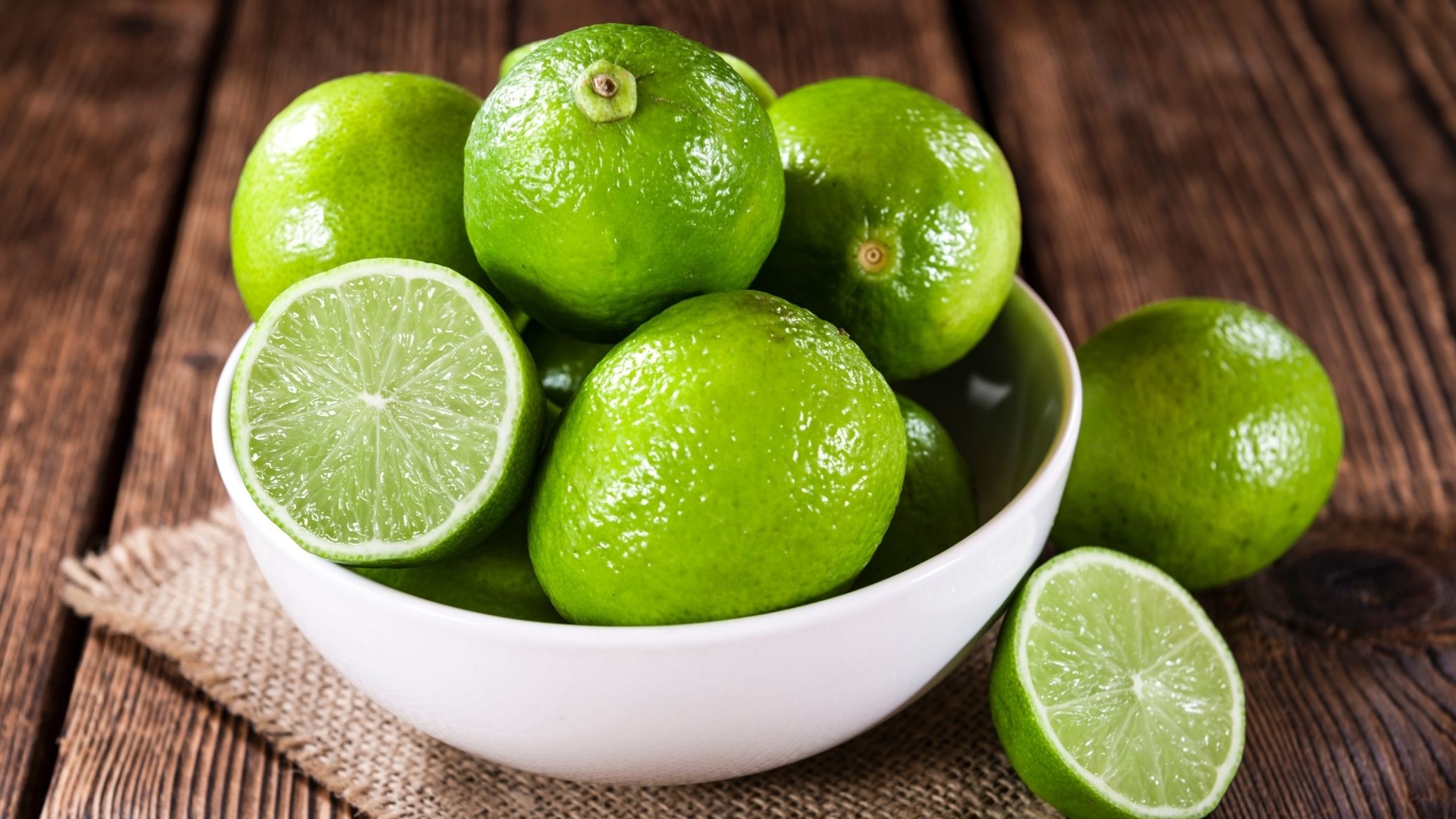
1. Lemon

Lemons are rich in vitamin C and antioxidants, which stimulate the liver to produce bile. Bile is essential for digesting fats and removing waste from the body.

Liver benefits:

  • Enhances bile production

  • Supports digestion and toxin elimination

  • Reduces oxidative stress

  • Boosts hydration and metabolism

Drinking warm lemon water in the morning is a popular and gentle way to support liver function.

Quả chanh​: Lợi ích và những mặt trái có thể bạn chưa biết

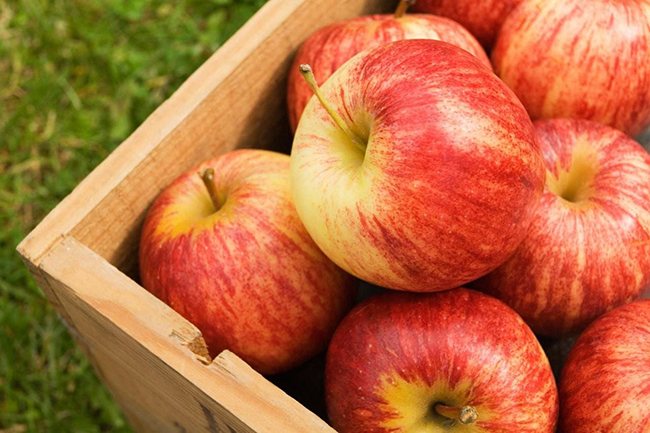
2. Apples

Apples are high in pectin, a soluble fiber that helps cleanse the digestive tract. By binding toxins in the gut, pectin reduces the burden placed on the liver.

Liver benefits:

  • Supports detoxification

  • Improves digestion

  • Helps regulate cholesterol

  • Reduces toxin absorption

Eating whole apples regularly is more beneficial than drinking apple juice.

Táo đỏ Mỹ – Loại trái cây giàu dinh dưỡng và ngon miệng

Tips for a Liver-Friendly Diet

  • Include liver-supporting vegetables and fruits daily

  • Limit processed foods, refined sugar, and trans fats

  • Reduce alcohol intake

  • Stay well-hydrated to aid toxin elimination

  • Combine vegetables and fruits with lean protein and healthy fats

  • Avoid overeating, especially late at night

Consistency matters more than extremes – small daily habits make a big difference.

Who Should Be Cautious or Avoid These Foods

Although these foods are generally healthy, not everyone should consume them freely. Certain individuals need to be cautious.

1. People with Kidney Stones

Spinach and beets are high in oxalates, which may increase the risk of kidney stones in susceptible individuals.

Recommendation:
Consume in moderation and consult a healthcare provider.

2. Individuals with Low Blood Pressure

Garlic, beets, and spinach may lower blood pressure further, potentially causing dizziness or weakness.

3. People with Sensitive Stomachs or Acid Reflux

Garlic and lemon can irritate the stomach lining and worsen acid reflux or gastritis.

4. Those with Thyroid Disorders

Cruciferous vegetables like broccoli may interfere with iodine absorption if consumed in excessive amounts, particularly when eaten raw.

5. People Taking Blood-Thinning Medications

Garlic and spinach can affect blood clotting and may interact with anticoagulant medications.

6. Individuals with Allergies or Digestive Intolerance

Some people may experience bloating, gas, or discomfort from high-fiber vegetables like broccoli.

Conclusion

Your liver works nonstop to protect your body from toxins and maintain internal balance. Supporting it through diet is one of the simplest yet most powerful steps toward long-term health. Vegetables like broccoli, spinach, beets, and garlic, along with fruits such as lemon and apples, provide essential nutrients that enhance detoxification, reduce inflammation, and protect liver cells.

However, these foods should be consumed mindfully, especially by individuals with underlying health conditions. Balance, moderation, and variety are key.

By making thoughtful food choices and supporting your liver daily, you can improve not only liver health but also overall energy, digestion, and well-being.

8 Stroke Warning Signs and 9 Tips to Prevent It

by

 8 Stroke Warning Signs and 9 Tips to Prevent It

8 Stroke Warning Signs and 9 Tips to Prevent It


Imagine if your body tried to whisper to you a full month before something serious happened. What if those whispers were small changes in your speech, vision, or balance—signals that a stroke may be on its way? Most people don’t recognize these clues until it’s too late. But learning how to spot them, and what to do about them, may help you protect your health and confidence in the future.

Stroke is one of the leading causes of long-term disability in adults. It happens when blood flow to part of the brain is blocked or a vessel bursts, leading to brain cell damage. The effects can be life-altering: difficulty walking, speaking, or even remembering loved ones. Risk factors include high blood pressure, smoking, diabetes, obesity, and family history. Older adults are at greater risk, but strokes can happen to younger people too. The urgency is clear—spotting early warning signs may make a critical difference.

So how do you know when your body is signaling trouble? Let’s count down the warning signs to watch for one month before a stroke, and then look at practical steps that research suggests may help lower the risk. Stay with me until the end, because the final tip is often overlooked and could be the simplest lifestyle shift you make this year.

Warning Sign #8: Sudden Vision Changes
Blurry vision, double vision, or even partial vision loss in one eye can appear weeks before a stroke. Mini-hook: Think of it as your eyesight “flickering,” like a lightbulb about to go out.

Warning Sign #7: Slurred or Strange Speech
If you suddenly find it hard to form words or others notice your speech sounds unusual, don’t brush it off. This is an under-recognized clue of reduced blood flow in brain regions tied to language.


Even subtle drooping on one side of the face may appear. Some people notice it only when they smile in the mirror. Mini-hook: Try smiling now—would you notice if one side didn’t move the same as the other?

Warning Sign #5: Numbness or Weakness
Tingling or heaviness in one arm or leg that comes and goes may be your body’s way of signaling trouble. This often occurs on one side of the body.

Warning Sign #4: Sudden Headaches
A headache unlike your usual pattern—sudden, severe, or accompanied by dizziness—may be an early warning.

Warning Sign #3: Trouble Walking or Balancing
Feeling clumsy, dizzy, or losing coordination without explanation is often overlooked but can be a precursor to a stroke.

Warning Sign #2: Memory Lapses or Confusion
Difficulty recalling words, forgetting simple tasks, or becoming easily disoriented may point to decreased brain function. Mini-hook: Have you ever walked into a room and couldn’t remember why? What if it happened too often?

Warning Sign #1: Fatigue and Sleep Changes
Unexplained fatigue, trouble sleeping, or unusual daytime drowsiness can sometimes appear in the weeks before a stroke.

Now, let’s look at nine powerful tips that research suggests can help reduce your risk.

Tip #9: Monitor Blood Pressure
High blood pressure is the number one risk factor. Regular checks and simple changes like reducing salt intake may help.

Tip #8: Stay Physically Active

Even light activities like walking 20 minutes a day can support circulation and brain health.

Tip #7: Eat a Balanced Diet
Research indicates that foods rich in leafy greens, berries, and whole grains may support heart and vessel health. Mini-hook: Imagine your plate as a pharmacy—every colorful food may contribute to prevention.

Tip #6: Manage Blood Sugar
If you have diabetes or prediabetes, controlling blood sugar may lower your stroke risk.

Tip #5: Quit Smoking
Smoking damages blood vessels and raises clot risk. Quitting may begin to improve vascular health almost immediately.

Tip #4: Limit Alcohol
Moderation is key—too much alcohol raises blood pressure and can harm your heart.

Tip #3: Manage Stress
Chronic stress may raise blood pressure and inflammation. Simple practices like deep breathing or gentle stretching can help.

Tip #2: Know Your Family History
Understanding whether strokes run in your family can help you and your healthcare provider plan preventative steps.

Tip #1: Regular Check-Ups
This is the most overlooked tip—routine visits with a healthcare professional may help catch risk factors early. Mini-hook: Sometimes prevention is as simple as showing up for your yearly check-up.

Practical steps like these may not guarantee prevention, but they can help shift the odds in your favor. Most importantly, if you ever notice sudden weakness, slurred speech, or facial drooping, call emergency services right away. Time is critical in reducing the long-term effects of stroke.

You now know eight often-overlooked warning signs and nine simple yet powerful prevention tips. Small changes add up, and awareness is your first line of defense.

Take action today—pick one small habit to focus on this week, whether it’s adding more greens to your meals or taking a daily walk. Tell us how it makes you feel, because your story may inspire someone else to do the same.

This article is informational only and does not replace professional medical advice — recommend readers consult a qualified healthcare provider for personalized guidance.