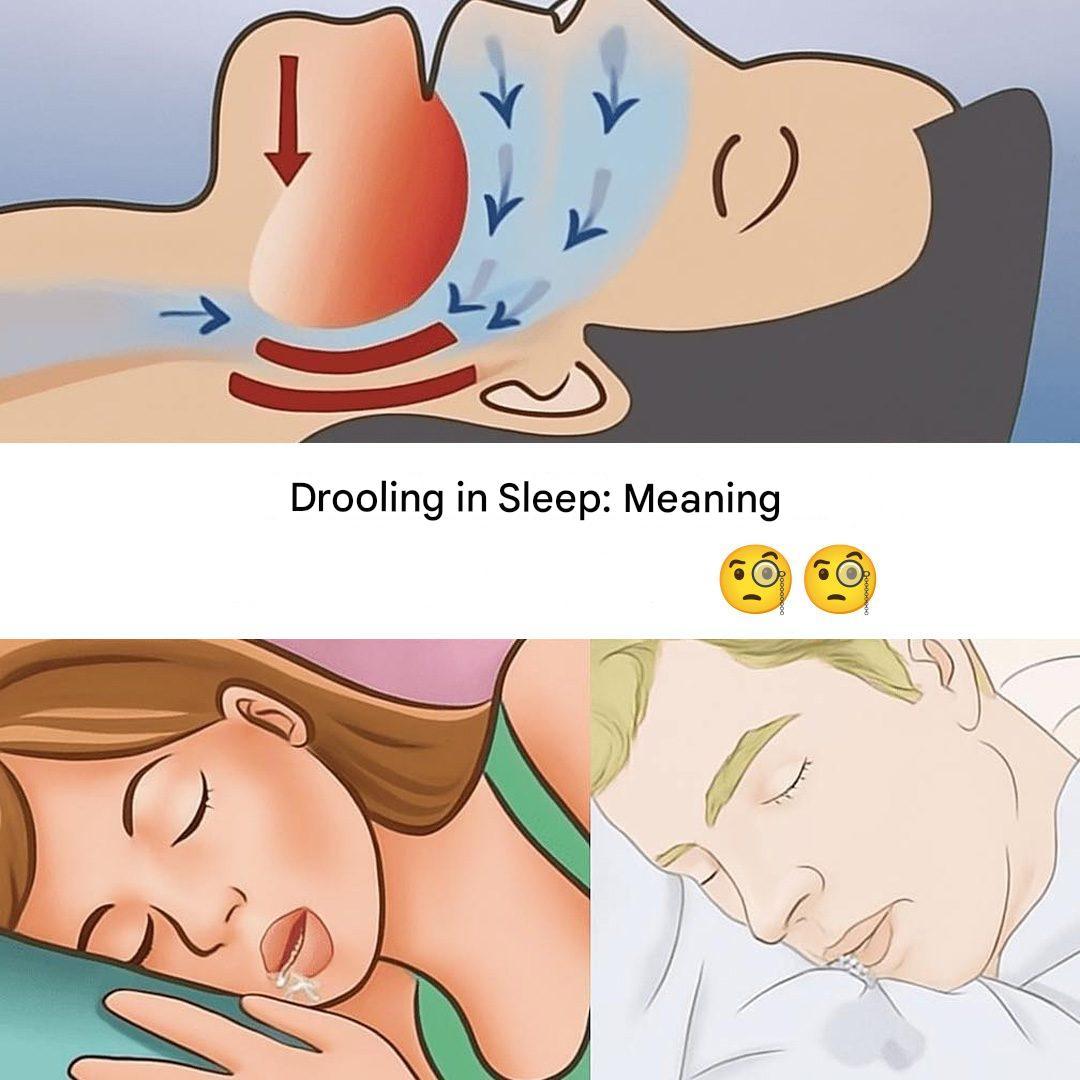
When you drool in your sleep, it’s a signal from your body
They open their eyes, still slightly dazed, and there she is... Surprise: Your pillow is damp, just like your cheek. A bit embarrassing, isn’t it? But this little nighttime nuisance is more common — and more revealing — than you might think. What if it wasn’t a problem, but a positive signal from your body? Let’s take a closer look at this phenomenon, which is as natural as it is fascinating.
Drooling in your sleep: A sign of deep sleep?

A History of Position (and Gravity)
Do you sleep on your stomach or on your side? It is the perfect position... to drool. Gravity plays a very simple role here: it pulls the saliva outwards. Conversely, sleeping on your back often helps to prevent this effect, as you swallow more easily unconsciously.
Changing sleeping habits is not easy. However, try to fall asleep on your back – with a suitable pillow – to reduce nighttime discharge. A little tip: An ergonomic pillow can make your new posture much easier.
A stuffy nose? And there is the culprit!
Another common – and less pleasant – cause of nighttime drooling is simply mouth breathing due to nasal congestion. Whether it’s a temporary cold, allergic rhinitis or a mild sinusitis – when the air can no longer flow through the nose, the mouth takes over. And an open mouth means uncontrolled salivation ...
You can avoid this with a few simple steps:
- A seawater-based nasal spray before bed
- Steam inhalations or nasal rinses
- A humidifier to prevent the mucous membranes from drying out
A clear nose often means a dry pillow when you wake up!
Too much saliva? Yes, it is possible...

Some people naturally produce more saliva than others. However, this excessive saliva production can also have the following causes:
- Certain medications ( such as antihistamines or antidepressants) )
- Gastroesophageal reflux, often discreet
- Too abundant or too late Meals
If you notice that this is common, it may be helpful to see a doctor. It’s nothing to worry about, but it’s best to understand what your body is telling you (or in this case, “expressing”) you.
When should you seek advice?


0 Comments:
Enregistrer un commentaire